


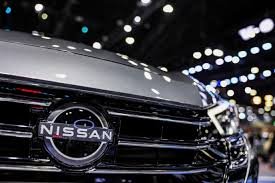
In recent months, searches like “is Nissan going out of business” and “Nissan going out of business rumors” have surged online, sparking concern among car enthusiasts, investors, and everyday consumers. From headlines about plant closures to discussions about Nissan’s financial health, it’s no wonder people are asking whether the automaker is on the brink of collapse. But how much of this is rumor, and how much reflects reality?
In this article, we’ll break down the situation using verified reports, insider analyses, and industry trends. We’ll explore Nissan’s financial health, factory operations, strategic shifts, and the broader auto industry context. By the end, you’ll have a clear picture of whether Nissan is struggling to survive or simply restructuring to stay competitive.
Why People Are Asking If Nissan Is Going Out of Business
The conversation around “is Nissan really going out of business” stems from a combination of financial reports, layoffs, and aggressive cost-cutting measures. Social media and forums have amplified these rumors, with users sharing posts like “Nissan business collapse rumors” and “is Nissan closing operations”.
Several key factors have fueled this speculation:
- Factory closures and plant shutdowns in regions like Thailand and Oppama, Japan
- Job cuts and workforce reductions across multiple markets
- Revenue drops and financial restructuring costs
- Reports of declining sales in key markets
These elements have created an impression of instability. While the company remains operational, these moves signal that Nissan is trying to adapt to current challenges rather than signaling immediate bankruptcy.
Financial Health & Business Concerns
Nissan’s financial situation is complex. While many fear the worst, the company remains profitable on paper, even though recent quarters have shown revenue drops. Common searches reflect this worry: “is Nissan in financial trouble”, “Nissan debt problems”, and “is Nissan facing bankruptcy”.
The main pressure comes from Nissan’s leasing operations. According to industry insights, Nissan’s financial arm has been taking significant losses on car leases, particularly due to overestimating residual values. Essentially, the company buys back leased vehicles at higher-than-market prices, creating large haircuts on its balance sheet.
Some key figures:
- Over 450,000 leases are outstanding in the US alone, totaling more than $11 billion
- Potential residual value shortfalls could cost the company billions, even though current sales volumes remain strong
Despite these losses, Nissan is still selling millions of vehicles globally each year. In 2024, it sold over 3.3 million cars worldwide, showing only a minor decline from 2023. The financial strain is real but does not necessarily indicate imminent collapse.
Factory & Operations Changes
One reason people search for “Nissan factory closures” or “Nissan production cuts” is the company’s strategy to optimize operations. Nissan has closed or reduced operations in some plants, including the Oppama plant in Japan and certain international facilities.
These moves are not unique in the auto industry but are often misinterpreted as a sign of failure. Key operational changes include:
- Reduced production capacity for underperforming models
- Targeted layoffs in markets with declining demand
- Shifts toward electric vehicle production to meet long-term market trends
By strategically consolidating operations, Nissan aims to reduce costs while focusing on high-demand areas and future technologies.
News, Rumors, and Verification
The spread of misinformation has fueled the search “Nissan going out of business news” and “truth about Nissan going out of business”. Many online posts, social media threads, and even forum discussions exaggerate the severity of Nissan’s situation, often confusing temporary restructuring with permanent shutdown.
Nissan has publicly addressed these rumors. Corporate statements emphasize that while some plants and dealerships are closing or downsizing, the company is not filing for bankruptcy and continues to operate globally. Searches like “is Nissan shutting down fact check” reflect the public desire to separate rumor from reality.
Key points to consider:
- Nissan is implementing a turnaround plan to improve efficiency and reduce operational costs
- Layoffs and plant closures are part of a broader restructuring, not an indication that the company is collapsing
- Despite losses in some segments, Nissan remains profitable overall, and its core business continues to generate revenue
Understanding the difference between temporary operational adjustments and permanent business closure is crucial. Many consumers mistakenly equate production cuts and layoffs with bankruptcy, which explains the rise in searches like “Nissan business collapse rumors”.
Brand Stability and Future Outlook
A major concern for searches such as “Nissan company future” and “is Nissan rebuilding or dying” revolves around the automaker’s long-term viability. Nissan’s business stability is being tested, but the company is actively pursuing strategies to remain competitive.
Strategic Moves
- Focus on EV and hybrid vehicles: Nissan is pivoting to electric mobility, seeking to compete with Tesla, Hyundai, and other EV leaders.
- Reducing underperforming segments: Certain sedans and low-demand models are being discontinued or scaled back.
- Leadership and management changes: New executives have been brought in to steer the company through financial and operational challenges.
Turnaround Efforts
- Nissan is investing in technology and innovation, aiming to maintain market share in emerging EV markets.
- Restructuring costs, while significant, are designed to improve cash flow and streamline global operations.
- Brand positioning focuses on core strengths like SUVs, trucks, and high-demand vehicles.
This approach demonstrates that Nissan is adapting, not collapsing, and while some short-term struggles exist, the company’s foundation remains intact.
Partnerships, Alliances, and Industry Moves
Another source of speculation is Nissan’s corporate alliances. Searches such as “Nissan Honda merger rumors” and “Nissan and Renault alliance” show public interest in how partnerships affect Nissan’s stability.
- Renault Alliance: Nissan continues its long-term strategic alliance with Renault, which provides financial and technological support.
- Potential partnerships and investors: While Nissan explores strategic investments, these efforts are aimed at growth and market expansion, not survival.
- Affiliate restructuring: Some subsidiaries and international branches are undergoing restructuring to improve profitability.
These collaborations are part of a global strategy to maintain competitiveness, improve operational efficiency, and leverage shared resources for new vehicle development.
Global Concerns and Market Issues
Global market dynamics play a major role in public concern. Searches like “Nissan sales decline” and “Nissan EV strategy struggles” highlight areas where the automaker is facing challenges.
Regional Performance
- United States: Some sales drops have been observed in specific models, driving speculation about overall stability.
- China: Nissan faces intense competition in both traditional and electric vehicle segments, impacting revenue.
- Other Markets: Europe and Southeast Asia present mixed results, with growth in EVs but declines in conventional models.
Product Strategy
- Nissan’s EV strategy is central to its future. While early models like the Leaf set the stage, the company is working to expand EV competitiveness globally.
- Focused investment in EV technology aims to capture emerging markets and stay relevant amid rising consumer demand for electric vehicles.
By understanding these regional and product-specific challenges, it becomes clear that Nissan’s issues are part of broader industry trends, rather than signs of imminent collapse.
Long-Tail Questions Consumers Are Asking
Consumers are curious about the practical implications of Nissan’s struggles, leading to searches like “is Nissan safe to buy from” and “is Nissan closing dealerships”. These concerns largely revolve around whether Nissan can continue to support customers with:
- Vehicle warranties
- Spare parts and service availability
- Ongoing dealership operations
What Shoppers Should Know
- Open dealerships remain fully operational: While some locations have closed, most Nissan dealerships worldwide continue to sell and service vehicles.
- Warranty and service commitments are honored: Customers can expect standard warranties and service support for purchased vehicles.
- EV and hybrid models remain a priority: Nissan is actively promoting its new electric and hybrid lineup, showing investment in the brand’s future.
These factors reassure buyers that short-term financial and operational adjustments do not compromise their ownership experience.
Industry Context, Car Manufacturers Facing Challenges
Nissan’s situation is part of a larger industry trend. Searches such as “automakers going out of business 2026” and “car manufacturers facing financial difficulties” reflect growing concern across the automotive sector.
Broader Trends
- Industry-wide production cuts: Many automakers are adjusting production to match demand fluctuations.
- Shift toward EVs: Traditional automakers face pressure to develop electric vehicles, requiring substantial investment.
- Competition from new entrants: Tesla, Rivian, and other EV startups are reshaping the market landscape.
Comparisons
- Nissan vs Toyota: Toyota remains financially stronger but faces similar EV challenges.
- Nissan vs Hyundai/Kia: Competitors with strong EV portfolios put pressure on Nissan to accelerate innovation.
- Industry-wide closures and consolidations influence public perception, often magnifying concern about established brands like Nissan.
Despite these pressures, Nissan is not alone. The company is strategically navigating industry-wide changes, positioning itself to survive and adapt rather than disappear.
