


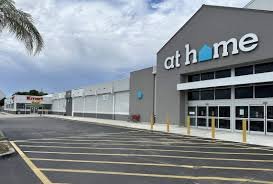
If you’ve recently typed “is At Home going out of business” into Google, you’re far from alone. Over the past several months, shoppers across the U.S. have been noticing store-closing sales, shrinking inventories, and headlines about bankruptcy filings. That combination has naturally raised concern about whether At Home is closing down for good or simply going through another rough patch in the retail world.
At Home has long been known as a go-to destination for affordable home décor, furniture, and seasonal items. So when rumors start circulating about At Home stores going out of business, people want clear answers fast. The reality, however, is more layered than a simple yes or no.
This article breaks down what’s actually happening with At Home retail, why some locations are closing, what the bankruptcy news really means, and whether shoppers should still feel confident buying from the brand.
Is At Home Going Out of Business?
The short answer is no, At Home is not completely going out of business, but that doesn’t mean everything is business as usual either.
At Home filed for bankruptcy protection, which immediately triggered widespread speculation that the chain was shutting down entirely. In practice, bankruptcy does not automatically mean liquidation. In At Home’s case, it marked a restructuring effort aimed at dealing with heavy debt, rising costs, and underperforming store locations.
That’s why people searching for “is At Home store going out of business” or “is At Home furniture going out of business” are encountering mixed signals. Some stores are closing permanently, while many others remain open and operating.
The confusion comes from the overlap of three things happening at once:
- Bankruptcy proceedings
- Store closures in select markets
- Aggressive clearance and discounting
Together, they look like a full shutdown, even when they’re not.
Why So Many People Think At Home Is Closing Down
Search interest around “at Home going out of business rumors” didn’t come out of nowhere. Several visible changes at store level fueled speculation.
Shoppers began noticing:
- “Store closing” signage at certain locations
- At Home clearance sale events with deep discounts
- Reduced staffing or limited store hours
- Empty shelves or narrower product selections
These signs naturally triggered questions like “is At Home closing stores nationwide?” or “is At Home shutting down for good?”
What’s important to understand is that these changes are location-specific, not chain-wide.
At Home Store Closures: What’s Actually Happening
At Home has confirmed the closure of dozens of underperforming stores across multiple states. These closures are part of a broader effort to stabilize the business rather than abandon it.
This is why searches such as:
- is At Home closing stores
- At Home store closures
- At Home closing locations
- At Home store shutdown
have spiked dramatically.
Some stores are running full liquidation events, selling inventory, fixtures, and even shelving. That’s where phrases like “At Home store liquidation” and “At Home clearance sale closing” come from.
However, many shoppers misinterpret these local closures as proof that At Home retail is collapsing entirely. In reality, the company is trimming weaker locations to focus resources on stores that perform better.
Are At Home Stores Closing Nationwide?
No, At Home stores are not closing nationwide, though closures are spread across several regions. This explains why people searching “At Home closing near me” might get very different answers depending on location.
Some states are seeing multiple closures, while others have none at all. That uneven pattern adds to the uncertainty and keeps the rumor cycle spinning.
If you’re wondering “is my local At Home store closing,” the answer depends entirely on your specific location—not on the brand as a whole.
Financial Trouble Behind the Scenes
There’s no denying that At Home has been facing serious financial challenges. Searches like “is At Home in financial trouble” and “is At Home struggling financially” are grounded in reality.
The company has been dealing with:
- Heavy long-term debt
- Rising operating costs
- Supply-chain disruptions
- Softer demand for discretionary home décor
These issues contributed to At Home’s decision to file for bankruptcy protection, which is why terms like “At Home debt problems” and “At Home bankruptcy rumors” gained traction.
Still, bankruptcy was used as a tool to reorganize, not shut down operations completely.
Is At Home Filing for Bankruptcy the Same as Going Out of Business?
This is one of the most misunderstood points.
When people search “is At Home filing for bankruptcy,” they often assume it means the company is finished. In reality, bankruptcy can allow a business to:
- Renegotiate debt
- Close unprofitable locations
- Secure new financing
- Continue operating under court protection
At Home chose restructuring over immediate liquidation. That distinction matters when evaluating the brand’s long-term business stability and company future.
What At Home’s Bankruptcy Means for the Brand’s Future
Rather than signaling the end, the bankruptcy filing reflects an attempt to reset the business model. This includes:
- Reducing physical store footprint
- Improving cash flow
- Streamlining inventory
- Adjusting pricing strategies
This is why terms like “At Home business stability” and “At Home company future” continue trending—people want to know whether the brand can realistically recover.
The answer depends on execution, not just intention.
Separating Rumors From Reality
The internet thrives on worst-case assumptions. Headlines and social media posts often amplify fear, which explains the popularity of searches like:
- is At Home really going out of business
- truth about At Home going out of business
- At Home store rumors explained
- is At Home shutting down fact check
In truth, At Home is shrinking, not disappearing.
Some stores are closing permanently. Others are staying open. The brand is still operating, still selling, and still serving customers in many markets.
Is At Home Still Open and Operating?
Yes. Despite the closures, many shoppers are still asking:
- is At Home still open
- is At Home still operating
The answer is yes, thousands of employees still work at At Home locations across the country. Online operations also continue, although availability may vary by region.
That ongoing operation is one of the strongest signs that At Home retail is restructuring rather than exiting the market entirely.
Should You Shop at At Home Right Now?
This question keeps coming up for a reason. When shoppers see heavy discounts, they wonder whether it’s safe to buy.
Searches such as:
- should I shop at At Home now
- is At Home safe to buy from
reflect a mix of opportunity and caution.
In closing locations, discounts are often significant, but returns, exchanges, and warranties may be limited. In open locations, policies generally remain intact.
Shopping decisions depend heavily on whether your local store is closing or staying open.
Gift Cards, Returns, and Warranties During Store Closures
Another common concern involves consumer protections. People want to know:
- are At Home gift cards still valid
- At Home return policy if stores close
- At Home warranty if business closes
Typically, gift cards are honored while stores remain operational, but closing locations may impose deadlines. Returns and warranties can also change during liquidation events, making it essential to read in-store notices carefully.
This uncertainty adds another layer to the perception that At Home is going out of business, even when the reality is more nuanced.
Who Owns At Home and What’s Changing at the Corporate Level
Questions like “who owns At Home stores” and “At Home company overview” have increased as leadership and ownership structures shift during restructuring.
Bankruptcy proceedings often result in:
- Changes in ownership
- New lenders gaining control
- Updated management strategies
These changes influence At Home retail chain status and explain why people are searching for At Home corporate update and At Home management changes.
The company is actively reshaping itself, not quietly fading away.
At Home Restructuring Plans and What They Signal
The phrase “At Home restructuring plans” captures what’s really happening. Rather than expanding aggressively, the company is focusing on survival and sustainability.
Key signals include:
- Fewer new store openings
- Focus on profitable locations
- Inventory adjustments
- Emphasis on cost control
This kind of restructuring is common in modern retail, especially as consumer habits continue shifting online.
Location-Based Closures and Why They Matter
Searches like:
- At Home store closing near me
- At Home store closure list
- At Home stores closing by state
- At Home store closing dates
highlight how personal this issue feels to shoppers.
Seeing your neighborhood store shut down makes the situation feel final, even when the brand continues elsewhere. That emotional impact fuels the perception that At Home stores are going out of business everywhere, even when closures are selective.
How At Home Fits Into the Bigger Retail Picture
At Home’s struggles aren’t happening in isolation. Broader searches such as:
- retailers going out of business 2026
- retail store closures 2026
- home decor stores closing
- furniture stores going out of business
show that consumers recognize a pattern across the retail industry.
Rising costs, online competition, and changing shopping habits are reshaping brick-and-mortar retail across the board.
Is At Home Like Bed Bath & Beyond?
Comparisons are inevitable. People asking “is At Home like Bed Bath & Beyond” are really asking whether At Home is headed for the same fate.
While both operate in home-related retail, their business models, store formats, and restructuring paths are different. At Home focuses on large warehouse-style stores with lower price points, which gives it some flexibility that other chains lacked.
That difference matters when evaluating whether At Home is closing or adapting.
Why At Home Is Discounting So Much Right Now
Heavy markdowns often trigger alarm bells. Searches like:
- why is At Home discounting so much
- are At Home sales a sign of closure
are understandable.
Discounting serves multiple purposes:
- Clearing inventory at closing stores
- Generating cash flow
- Attracting cautious shoppers
Sales alone don’t confirm a full shutdown, but they do signal a business under pressure.
Is At Home Closing or Just Downsizing?
This question sits at the heart of the debate.
Is At Home closing or just downsizing?
So far, all evidence points toward downsizing and restructuring rather than complete closure.
What Downsizing Looks Like in Practice for At Home
When people hear “downsizing,” they often imagine a slow fade toward closure. In retail, though, downsizing can also mean refocusing. For At Home, that process has shown up in several practical ways that shoppers and employees have noticed.
First, store footprints are being reconsidered. Large-format stores that underperformed in specific markets were expensive to operate, especially as foot traffic declined. Closing those locations reduces rent, staffing, and logistics costs almost immediately.
Second, inventory strategy has shifted. Some shoppers walking into open locations report tighter assortments, fewer seasonal overbuys, and less cluttered aisles. That change aligns with searches like “what’s happening with At Home stores” and reflects a brand trying to operate leaner rather than louder.
Third, pricing has become more aggressive. This is where confusion creeps in. Deep discounts lead shoppers to assume liquidation, but in many cases the goal is to move excess stock faster and improve cash flow, not to empty shelves forever.
Are At Home Sales a Warning Sign or a Survival Strategy?
Retail sales don’t always mean distress, but timing matters. When discounts appear alongside bankruptcy headlines and store closures, people naturally connect the dots.
Search queries such as “are At Home sales a sign of closure” and “why is At Home discounting so much” show how closely shoppers are watching pricing behavior.
The reality is that At Home is using sales in two very different ways at the same time:
- At closing locations, sales are part of store liquidation, with little intention of restocking.
- At continuing locations, sales function more like pressure relief, clearing inventory without closing the doors.
That distinction isn’t always obvious from the outside, which keeps speculation alive.
Is At Home Still Safe to Buy From?
Consumer confidence becomes fragile during periods like this. Questions such as “is At Home safe to buy from” and “should I shop at At Home now” reflect concern over returns, warranties, and long-term value.
For most open stores, transactions still function normally. Shoppers can buy furniture, décor, and seasonal items with the same checkout systems, payment options, and basic policies they’ve always had. The uncertainty mostly affects:
- Big-ticket purchases
- Extended warranties
- Returns at locations rumored to be closing
In liquidation stores, policies may change without much notice. That’s why shoppers should ask directly in-store rather than relying on assumptions shaped by online rumors.
At Home Gift Cards and Returns: Why People Are Nervous
Gift cards are often the first thing consumers worry about during retail upheaval. Searches like “are At Home gift cards still valid” spike whenever store closures make headlines.
In general, gift cards remain valid at open locations and online while the company continues operating. Problems tend to arise only when:
- A store is in its final days of liquidation
- Corporate policies change during restructuring
- Deadlines are imposed at closing locations
The same uncertainty applies to At Home return policy if stores close and At Home warranty if business closes. These concerns don’t necessarily indicate imminent collapse, they indicate trust erosion, which can be just as damaging if left unaddressed.
Ownership Changes and Why They Matter to Shoppers
Ownership rarely feels relevant to everyday shoppers until something goes wrong. Then questions like “who owns At Home stores” and “At Home corporate update” suddenly matter.
During bankruptcy restructuring, control often shifts toward lenders or investment groups. This doesn’t always change the shopping experience immediately, but it does influence long-term strategy:
- Which stores stay open
- How aggressively costs are cut
- Whether expansion ever resumes
Searches around At Home management changes suggest people are trying to read the tea leaves, hoping leadership shifts signal recovery rather than retreat.
At Home’s Place in the Home Décor Retail Landscape
At Home doesn’t exist in a vacuum. Its challenges mirror what’s happening across the home décor and furniture sector. Rising interest rates, cautious consumer spending, and competition from online marketplaces have reshaped demand.
That’s why broader searches like “home decor stores closing” and “furniture stores going out of business” often appear alongside At Home-related queries.
Unlike some competitors, At Home’s warehouse-style model offers a wide price range and bulk buying power. That gives it flexibility, but also higher fixed costs. When demand softens, those large stores can quickly become liabilities instead of assets.
Why At Home Keeps Getting Compared to Bed Bath & Beyond
The comparison is unavoidable. Many shoppers searching “is At Home like Bed Bath & Beyond” are really asking if history is repeating itself.
Both brands faced:
- Oversized store footprints
- Inventory challenges
- Shifts in consumer shopping habits
But there are differences that matter. At Home focuses heavily on décor and impulse-driven browsing, while Bed Bath & Beyond leaned on household staples and coupons. Those distinctions affect how easily a brand can pivot.
Still, the comparison keeps pressure on At Home to prove it’s restructuring, not stalling.
Retail Closures in 2025 and 2026: Why This Isn’t Just About At Home
Searches like “retail store closures 2026” and “retailers going out of business 2026” reveal growing awareness that retail contraction isn’t over.
Many chains are quietly shrinking their footprints, closing stores while keeping brand names alive. That trend blurs the line between survival and failure. A retailer doesn’t have to disappear entirely to feel gone at the local level.
This context explains why At Home going out of business news spreads quickly, even when the facts are more restrained.
Why Location-Based Searches Are So Dominant
Few searches are more emotionally charged than “At Home store closing near me.” Retail is personal. When a familiar store closes, it feels like the brand is gone, even if hundreds of other locations remain open.
That’s why queries like:
- is my local At Home store closing
- At Home store closure list
- At Home stores closing by state
- At Home store closing dates
continue to trend. People aren’t just looking for corporate updates; they’re looking for confirmation about their own neighborhoods.
Is At Home Closing Down or Adapting to a New Reality?
This question ties everything together. Is At Home closing down suggests an ending. Is At Home restructuring its business suggests transformation.
Right now, the company sits uncomfortably between those two interpretations. It is:
- Closing weaker stores
- Renegotiating debt
- Adjusting operations
- Continuing to sell products every day
That combination makes headlines messy and public perception unstable.
What Shoppers and Observers Should Watch Next
Rather than focusing solely on bankruptcy headlines, there are quieter signals that matter more:
- Whether additional waves of closures are announced
- How many stores remain profitable
- Whether inventory depth improves in open locations
- If leadership communicates more clearly with customers
These factors will determine whether At Home business stability improves, or whether downsizing turns into something more severe.
