


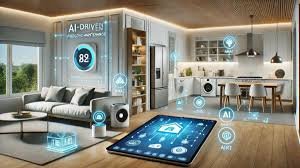
How Smart Home Technology Will Change Lives
Smart home technology is no longer a futuristic concept, it’s rapidly becoming a staple in modern living. From connected appliances to intelligent security systems, smart homes are redefining convenience, safety, and comfort. But how exactly does smart home technology impact daily life? Beyond the buzzwords, it’s transforming routines, empowering homeowners, and enhancing quality of life in ways most people are only beginning to realize.
The rise of IoT smart home devices, AI-driven automation, and voice-activated home control is creating homes that respond intuitively to human needs. Smart home technology benefits go far beyond convenience—they provide energy savings, enhanced security, health monitoring, and even environmental sustainability. In essence, how smart homes improve life is about blending technology seamlessly into daily routines, turning ordinary tasks into effortless experiences.
Whether it’s adjusting the thermostat from a smartphone, setting lighting schedules, or controlling appliances hands-free, smart home technology is reshaping how we interact with our living spaces. Future trends in smart home technology promise even more integration, personalization, and efficiency, making life simpler and safer for everyone.
Key Benefits of Smart Home Technology
Convenience and Lifestyle Enhancements
Smart home technology offers tangible advantages for everyday life. Consider a morning routine: lights gradually brighten, coffee starts brewing, and your thermostat adjusts to the ideal temperature, all automatically. This is just one example of how smart home routines and automation save time and reduce stress.
Other ways smart home technology improves everyday living include:
- Voice control home automation: Using smart speakers in home automation to control lights, appliances, and media with simple commands.
- Hands-free smart home control: Eliminating the need to manually manage devices, from locks to thermostats.
- Time-saving smart home features: Automating repetitive tasks like watering the garden or starting laundry cycles.
- Daily life changes with smart home tech: Seamless integration of devices for an optimized living environment.
Smart home convenience examples clearly illustrate the transformative potential of connected technology, showing how even small adjustments can dramatically improve lifestyle quality.
Enhanced Security and Safety
Security remains a primary motivator for adopting smart home technology. Smart home security technology is evolving rapidly, with devices that provide both physical and digital protection.
Key features include:
- Smart door locks benefits: Allowing homeowners to lock or unlock doors remotely and grant temporary access to guests.
- Video doorbell impact on home safety: Monitoring who is at the door and recording activity for added protection.
- Remote security monitoring: Keeping an eye on your home from anywhere via smartphone or tablet.
- Smart sensors for home protection: Detecting motion, smoke, water leaks, and other potential hazards.
- Home surveillance automation: Integrating cameras, alarms, and alerts into one unified system.
These technologies not only protect property but also enhance peace of mind, especially for families, elderly residents, or anyone managing multiple responsibilities.
Energy Efficiency and Cost Savings
Smart homes are also revolutionizing energy management. Smart home energy efficiency tools, like smart thermostats and energy monitoring systems, allow users to track usage and optimize consumption. This not only lowers utility bills but also promotes environmental sustainability.
Benefits include:
- Smart thermostats and sustainability: Automatically adjusting heating and cooling to reduce energy waste.
- Cost savings from smart home technology: Cutting electricity and water usage through intelligent automation.
- Environmental impact of smart homes: Reducing carbon footprint via efficient energy management.
By integrating energy-conscious devices, smart home technology enables households to live sustainably without sacrificing comfort or convenience.
AI, IoT, and Future Technology Trends
Artificial intelligence and IoT are central to the next generation of smart homes. AI in smart homes powers predictive automation and personalization, learning from daily patterns to anticipate user needs.
Important trends include:
- IoT home automation trends: Interconnected devices creating seamless control of lighting, appliances, and climate.
- Machine learning in smart home systems: Optimizing routines based on usage data.
- Connected household ecosystems: Combining multiple smart devices for a unified, responsive living environment.
- Integrated smart home platforms: Simplifying management of complex systems through apps and voice control.
- Smart home interoperability: Ensuring devices from different brands work together smoothly.
These innovations show how smart homes will shape living by providing personalized, intelligent, and adaptive environments.
Personalized and Health-Focused Smart Home Features
Modern smart homes aren’t just about convenience, they’re increasingly focused on wellness and personalization. Smart home personalization features allow customization of lighting, temperature, and entertainment settings to suit individual preferences.
Key benefits include:
- How smart homes affect wellness: Air quality monitoring, circadian lighting, and controlled temperature improve comfort and health.
- Health monitoring smart home devices: Tracking vital signs or movement, particularly useful for elderly or disabled residents.
- Adaptive smart home environments: Automatically adjusting to user needs throughout the day.
By prioritizing wellness and adaptability, smart home technology supports a healthier, more balanced lifestyle for all household members.
Real-Life Applications and Everyday Examples
Smart home technology is not just a futuristic concept, it’s actively shaping daily routines for millions of households. The practical applications are diverse, from simplifying mundane tasks to enhancing safety and comfort.
Some of the most common ways smart home technology improves everyday living include:
- Automated mornings: Smart lighting gradually wakes you up, while connected coffee makers and thermostats adjust to your schedule.
- Smart appliances in everyday life: Refrigerators can track groceries, washing machines can run on off-peak energy schedules, and ovens can preheat remotely.
- Voice-activated home control: Using smart speakers to play music, check the weather, or control multiple devices simultaneously.
- Remote home monitoring systems: Checking security cameras or door sensors while at work or on vacation, enhancing both convenience and peace of mind.
- Smart home routines and automation: Predefined routines can turn off lights, lock doors, adjust temperature, and even play music at the same time, creating a seamless daily experience.
Examples of smart home technology changing life are everywhere: a busy professional can start laundry while commuting, a parent can monitor children from the office, and an elderly person can live independently with assistance from health-monitoring devices.
The Broader Impact of Smart Homes on Modern Living
Beyond convenience, smart homes are reshaping the broader landscape of daily living. They are not just tools—they influence lifestyle, safety, energy consumption, and even social dynamics within households.
Comfort and Safety
Smart home benefits for comfort and safety are apparent in:
- Automated climate control, ensuring homes are always at optimal temperatures.
- Smart sensors and security technology, protecting families from intruders or environmental hazards.
- Real-time alerts and remote control, giving homeowners peace of mind whether at home or away.
Sustainability and Cost Efficiency
The environmental impact of smart homes is significant. Smart energy management systems, smart thermostats, and energy monitoring reduce electricity and water waste, lowering bills while promoting eco-friendly living. This illustrates how smart tech lowers utility bills and contributes to a sustainable future.
Future of Smart Home Technology
How smart homes will shape living extends beyond today. Emerging trends suggest even deeper integration of AI and IoT, creating homes that can learn, adapt, and anticipate needs:
- Predictive automation that adjusts routines based on personal habits.
- Smart home interoperability, allowing devices from different brands to seamlessly work together.
- Integrated smart home platforms controlling everything from appliances to entertainment, creating fully connected household ecosystems.
- Health-focused technologies, such as air quality monitoring and adaptive lighting, enhancing wellness.
By blending convenience, security, energy efficiency, and personalization, smart homes are fundamentally changing the way people interact with their living spaces.
Emerging Smart Home Devices and Ideas
As technology advances, the list of smart home devices continues to grow. These innovations not only make life easier but also more enjoyable and sustainable.
Some key devices and ideas include:
- Smart lighting systems: Automated, energy-efficient, and customizable to match daily schedules.
- Smart locks and doorbell cameras: Providing safety and remote access control.
- Smart thermostats: Learning household patterns to optimize comfort and efficiency.
- Smart speakers and voice assistants: Integrating multiple functions into a single, user-friendly interface.
- IoT-enabled appliances: Refrigerators, ovens, and washing machines that communicate with each other for optimal performance.
- Health and wellness devices: Monitoring air quality, sleep patterns, and movement to support well-being.
Additionally, smart home automation ideas now include multi-device routines, energy optimization schedules, and adaptive environments that adjust lighting, temperature, and sound based on time of day or occupancy. By embracing these technologies, homeowners gain unprecedented control and insight into their living spaces.
Conversational and Long-Tail Impacts
People are increasingly searching for practical, relatable insights into smart home technology. Examples include:
- Ways smart home technology improves everyday living: Automating repetitive tasks, optimizing energy use, and enhancing family safety.
- Impact of smart home automation on family life: Improved coordination, better routines, and remote monitoring of children or elderly relatives.
- Why smart home tech matters in modern life: Combining convenience, security, and sustainability in one integrated solution.
- Real-life examples of smart home technology in action: Voice-activated lighting, AI-driven climate control, or smart appliances streamlining chores.
By addressing these conversational queries, content can reach featured snippets and satisfy user intent while naturally incorporating keywords like how smart homes improve life, smart home tech advantages, and future of smart home technology.
