


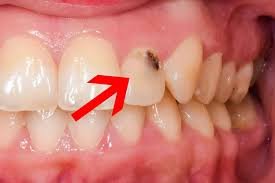
Noticing something “off” with a tooth can be unsettling. Maybe it’s a dark spot you don’t remember seeing before, a rough patch your tongue keeps finding, or a sharp zing when you sip something cold. Many people ask the same question at that moment: what does a cavity look like?
The tricky part is that cavities don’t always look dramatic or obvious. Sometimes there’s no hole, no pain, and no clear warning at all. Other times, the signs are right there but easy to mistake for a stain, plaque, or normal wear. Understanding how cavities actually look, at different stages and in different places, can help you catch problems early, before they turn into something painful or expensive.
What Does a Cavity Look Like
A cavity doesn’t have one universal appearance. What it looks like depends on how far the decay has progressed, where it’s located, and whether it’s visible without dental tools. Early cavities can be subtle, while advanced ones are often unmistakable.
In simple terms, a cavity is damage caused by tooth decay. Acids produced by bacteria slowly weaken the enamel, then move deeper into the tooth. As that process unfolds, the look of the tooth changes — sometimes gradually, sometimes fast.
People often expect a cavity to look like a big hole, but that’s usually a late-stage sign. Many cavities start as small changes in color or texture that are easy to ignore.
What a Cavity Looks Like in the Early Stages
Early cavities are the hardest to spot and the easiest to treat. At this stage, decay is limited to the enamel, which means there may be no pain at all.
One of the first visual signs is a white spot cavity. This looks like a chalky, dull patch on the tooth that doesn’t shine the way healthy enamel does. It’s a sign that minerals are being lost from the surface — an early stage of tooth decay.
Other early cavity signs include:
- Slight discoloration that looks off compared to nearby teeth
- A rough or gritty texture when you run your tongue over the tooth
- A faint line or patch that doesn’t brush away
You may also notice mild cavity symptoms, such as:
- Light sensitivity to cold drinks
- Brief discomfort with sugary foods
- No constant pain
At this point, many people don’t realize a cavity is starting to form. Because there’s no hole yet, it’s easy to assume everything is fine.
What a Developing Cavity Looks Like
As decay moves past the enamel and into the dentin, changes become easier to see and feel. This is when people often start searching for things like what does a cavity look like on a tooth or what does a cavity look like up close.
Visually, a developing cavity may appear as:
- A brown spot on the tooth cavity area
- A dark spot on the tooth that slowly grows
- A small pit or indentation
Unlike surface stains, these areas often feel different. The tooth may feel softer, rougher, or slightly sunken.
Common sensations at this stage include:
- Tooth sensitivity when eating hot, cold, or sweet foods
- A sharp pain cavity response that comes and goes
- Discomfort when biting down
Some cavities still cause no pain at all, which is why many people live with a cavity without pain for months before seeking help.
What a Bad or Advanced Cavity Looks Like
When a cavity reaches an advanced stage, it’s usually obvious. both visually and physically. The enamel and dentin are damaged, and bacteria may be approaching the inner pulp of the tooth.
Signs of a bad cavity include:
- A black cavity on the tooth
- A clearly visible cavity on the tooth
- A noticeable hole in the tooth cavity
- Jagged or crumbling edges
At this stage, symptoms often worsen:
- Persistent cavity pain
- Pain when chewing or biting
- A cavity smell or ongoing bad breath cavity issue
- Sensitivity that lingers instead of fading quickly
An untreated cavity at this point rarely improves on its own and often requires a filling or more advanced treatment.
What Does a Cavity Look Like on Different Teeth
Not all cavities look the same because not all teeth are shaped or positioned the same. Where the cavity forms plays a big role in how easy it is to notice.
Cavity on Front Teeth
A cavity on a front tooth is usually easier to spot. These cavities often appear as:
- White, brown, or dark spots
- Changes near the edges or between teeth
- Visible pits that affect appearance
Because front teeth are more visible, people often confuse cavities here with cosmetic stains.
Cavity on Back Teeth and Molars
Cavities on back teeth are harder to detect. Molars have deep grooves that can hide decay for a long time.
Common signs include:
- Sensitivity when chewing
- Food getting stuck in one spot
- Pain that’s hard to pinpoint
Many people don’t realize they have a cavity on a molar until a dental exam or X-ray reveals it.
Cavity Between Teeth or Under Fillings
Some of the most common cavities are also the least visible. A cavity between teeth or a cavity under a filling often shows no visual clues at all.
You might notice:
- Floss tearing in one spot
- Sensitivity between teeth
- A dull ache with no clear source
Dentists usually rely on X-rays and careful exams to catch these.
What Does a Cavity Look Like Without an X-Ray
Many people wonder what does a cavity look like without an x-ray, especially if they’re checking their teeth at home.
Without X-rays, you can sometimes see:
- Color changes
- Rough or soft spots
- Obvious holes
However, early cavities, cavities between teeth, and cavities under fillings are often invisible without professional tools. This is why a dentist cavity check is so important, even when everything looks fine.
Dentists use a combination of visual exams, gentle probing, and X-rays to make a cavity diagnosis. In some cases, a dentist can see cavities without X-ray imaging, but not always.
Is This a Cavity or Something Else?
One of the most common questions people ask is whether a spot or sensation really means decay.
Cavity vs Stain
Stains usually:
- Sit on the surface
- Don’t feel soft or sticky
- Don’t cause sensitivity
Cavities often:
- Feel rough or sunken
- Darken over time
- Cause sensitivity or pain
This difference is why searches like stain vs cavity are so common.
Cavity or Plaque
Plaque can usually be brushed or flossed away. A cavity cannot. If a spot stays no matter how well you clean, decay may be involved.
Cavity or Chipped Tooth / Enamel Erosion
A chipped tooth usually has sharp edges but no dark decay. Enamel erosion often affects multiple teeth evenly, while cavities are more localized.
How Cavities Form and Progress
A cavity forms when bacteria in the mouth feed on sugars and produce acid. Over time, that acid weakens enamel and causes tooth decay stages to unfold.
The stages of tooth decay generally include:
- Enamel demineralization
- Dentin decay
- Pulp involvement
Understanding cavity progression helps explain why early detection matters so much. The faster a cavity grows depends on diet, oral hygiene, and saliva flow.
What to Do If You Think You Have a Cavity
If you notice signs like sensitivity, discoloration, or pain, it’s best not to wait. Early action can prevent fillings or more invasive treatment.
Common cavity treatment options include:
- Fluoride treatments for early decay
- Fillings for established cavities
- Monitoring very small areas
Many people ask if cavities can heal. While early enamel damage can sometimes be reversed through remineralization, a true cavity cannot heal itself once a hole forms.
Cavities in Adults vs Children
Cavities in adults often develop near the gum line or around old dental work. Dry mouth, medications, and receding gums increase risk.
Cavities in children and toddlers may appear as:
- White lines near the gums
- Brown spots on baby teeth
- Rapid decay progression
Baby cavity signs should always be taken seriously, as child tooth decay can affect adult teeth later.
Common Questions People Ask About Cavities (Answered Naturally)
Many people want to know how to tell if it’s a cavity or not. The answer usually comes down to persistent changes, spots that don’t go away, sensitivity that repeats, or pain that worsens.
A stage 1 cavity typically looks like a white or chalky spot, not a hole. At this point, fluoride and improved care may help.
The often-mentioned 3-3-3 rule for teeth focuses on brushing timing and habits to reduce acid exposure and help prevent cavities from forming in the first place.
How Dentists Find Cavities During an Exam
A dentist cavity check isn’t just a quick glance. Dentists are trained to spot subtle changes most people miss, especially in areas that are hard to see at home.
During a routine dental exam, dentists usually look for:
- Changes in tooth color or translucency
- Soft or sticky spots when gently probed
- Areas where enamel looks worn or collapsed
They’ll often ask about symptoms too, such as sensitivity, pain when chewing, or lingering discomfort. Even when there’s no pain, visual clues can signal early tooth decay.
The Role of X-Rays in Cavity Diagnosis
Some cavities simply can’t be seen on the surface. A cavity X-ray helps dentists identify:
- Cavities between teeth
- Cavities under fillings or crowns
- Early decay below the enamel
This is why people sometimes feel confused when a dentist diagnoses a cavity they can’t see. In many cases, decay is happening where mirrors and eyes can’t reach.
That said, dentists can sometimes see cavities without X-ray imaging, especially when decay is advanced or on visible surfaces.
What Happens If a Cavity Is Left Untreated
An untreated cavity doesn’t stay the same. Over time, bacteria continue breaking down tooth structure, allowing decay to move deeper.
As cavities progress, you may notice:
- Increased sensitivity
- Pain that lasts longer
- Discomfort even without eating
Eventually, decay can reach the pulp, where nerves and blood vessels live. At that stage, pain is usually intense, and treatment becomes more complex.
People often ask how fast cavities grow. The answer varies. Diet, oral hygiene, saliva production, and overall health all affect how quickly tooth decay stages progress. Some cavities worsen within months, while others take years.
What a Cavity Looks Like Before and After a Filling
Many people search for cavity before and after filling images to understand what to expect.
Before treatment, a cavity may appear as:
- A dark or brown spot
- A visible hole
- A rough, weakened area
After a filling:
- The decayed portion is removed
- The tooth is reshaped
- The filling blends in with natural enamel
Modern fillings are often tooth-colored, making them nearly invisible. Sensitivity usually improves once decay is removed, though mild tenderness can linger briefly.
What to Do If You Have a Cavity or Think One Is Forming
If you suspect a cavity, early action matters. Waiting rarely makes things easier.
Helpful steps include:
- Reducing sugary and acidic foods
- Brushing gently but thoroughly twice daily
- Flossing carefully, especially between teeth
- Scheduling a dental exam
When caught early, some cavities may only need fluoride treatments or monitoring. Once a hole forms, fillings are usually necessary. This is why many people ask whether cavities can go away, early enamel damage can sometimes be reversed, but established cavities cannot heal on their own.
Location-Specific Cavities and How They Look
Where a cavity forms can affect both how it looks and how it feels.
Cavity Between Teeth
These cavities often show no visible signs. Sensitivity when flossing or biting can be the only clue.
Cavity on a Wisdom Tooth
Wisdom teeth are hard to clean, making cavities common. Decay here may cause jaw discomfort or pain when chewing.
Cavity on the Gum Line
Gum line cavities often look darker and may be associated with gum recession. They’re common in adults and can be sensitive to temperature.
Cavity Near a Crown
Decay near a crown may appear as discoloration at the edge. It’s easy to miss without a dental exam.
Cavities in Adults vs Cavities in Children
Cavity risk changes with age, but decay affects everyone.
Cavities in Adults
Adults often develop cavities:
- Around old fillings
- Near the gum line
- Between teeth
Dry mouth from medications or aging increases risk.
Cavities in Children and Toddlers
Cavities in kids may appear quickly and spread faster. Baby cavity signs include:
- White or brown lines near the gums
- Dark spots on baby teeth
- Sensitivity or fussiness during eating
Child tooth decay should always be addressed early, even in baby teeth, to protect developing adult teeth.
Common Questions People Ask About Cavities (Answered Naturally)
People often wonder how to know if a tooth has a cavity without seeing a hole. Repeated sensitivity, discoloration that doesn’t brush away, or pain when chewing are common clues.
A stage 1 cavity usually looks like a white or chalky area rather than a hole. At this point, improved oral care and fluoride may stop further damage.
Many ask whether cavities heal. While enamel can sometimes remineralize early on, once a cavity forms, professional treatment is needed.
You may also hear about the 3-3-3 rule for teeth. This guideline focuses on brushing timing and habits to limit acid exposure and support enamel health, helping reduce the chance of cavities forming.
What Does a Cavity Look Like Before It Hurts
One of the biggest misconceptions about cavities is that they always cause pain right away. In reality, many cavities develop quietly for a long time.
Before pain starts, a cavity may look like:
- A faint white or chalky patch
- A small brown spot on the tooth
- A dark line in a groove or along the gum line
- A slightly rough area that feels different with your tongue
At this stage, people often search what does a cavity look like without pain because everything feels mostly normal. There may be no constant discomfort, just brief sensitivity that’s easy to brush off.
This is also why cavities are often discovered during routine dental exams rather than because someone felt pain.
What Does Tooth Decay Look Like as It Progresses
Tooth decay doesn’t happen all at once. It moves through stages, and the appearance changes with each one.
- Early tooth decay: white or dull spots, no holes
- Mid-stage decay: brown or dark spots, small pits
- Advanced decay: visible holes, blackened areas, structural damage
As decay progresses, the tooth loses strength. That’s when chewing pain, lingering sensitivity, and inflammation become more common.
This gradual change explains why people often don’t realize how serious a cavity is until it becomes impossible to ignore.
Why Some Cavities Are Easy to Miss
Not all cavities show up where you can see them easily. Cavities in the mouth can hide in places that mirrors and light don’t reach.
Cavities are commonly missed when they are:
- Between teeth
- Under old fillings
- On the back molars
- Near the gum line
These areas may look normal from the outside, even though decay is actively spreading underneath. This is why relying only on what you can see isn’t always enough.
How to Tell If You Have a Cavity at Home
While a dental exam is the only way to be sure, some signs suggest a cavity may be present.
Things to watch for:
- A spot that doesn’t go away after brushing
- Sensitivity that repeats in the same tooth
- Pain when biting down
- A persistent bad taste or cavity smell
If you’re asking is this a cavity, it’s usually because something has changed. Teeth don’t randomly become sensitive or discolored without a reason.
Why Cavities Don’t Always Look the Same
Two people can have cavities that look completely different. Several factors affect cavity appearance, including:
- Tooth structure
- Oral hygiene habits
- Diet and sugar intake
- Saliva production
For example, a cavity on a front tooth may look obvious and cosmetic, while a cavity on a back tooth may cause pain before you ever see it.
This variation explains why images labeled “cavity look like pictures” online can be confusing, no two cavities are identical.
Can Cavities Heal or Reverse on Their Own?
This is one of the most searched questions related to cavities.
Very early enamel damage can sometimes be repaired through remineralization. This means minerals are restored to weakened enamel using fluoride, saliva, and good oral care.
However:
- Once a hole forms, the cavity cannot heal itself
- Bacteria remain active without treatment
- Decay continues even if pain stops temporarily
This is why dentists stress early detection. Waiting often turns a simple fix into a more involved procedure.
When a Filling Becomes Necessary
A filling for a cavity is recommended when decay has created a permanent defect in the tooth.
Signs you may need a filling include:
- A visible cavity on the tooth
- Pain or sensitivity that doesn’t improve
- X-ray evidence of dentin damage
During treatment, the dentist removes decayed material and fills the space to restore strength and function. Modern cavity treatment options aim to preserve as much natural tooth structure as possible.
How Long Cavities Can Go Untreated
Some people live with cavities longer than they should because symptoms come and go.
An untreated cavity may:
- Stay quiet for months
- Suddenly become painful
- Progress without visible signs
Even if pain disappears, decay usually continues underneath. This is why dentists emphasize that “no pain” doesn’t always mean “no problem.”
What a Cavity Looks Like in Children vs Adults
Cavity appearance can differ based on age.
In children, cavities may:
- Appear lighter at first
- Spread quickly
- Form near the gum line
In adults, cavities often:
- Develop around old dental work
- Appear darker
- Progress more slowly but deeper
Toddler cavities, sometimes called early childhood caries, often show as white or brown lines near the gums and should be addressed quickly.
Why Regular Dental Exams Matter
Because many cavities are invisible or painless at first, regular dental exams play a major role in prevention.
Dentists can:
- Catch cavities early
- Stop decay before fillings are needed
- Monitor questionable areas
Even people with good brushing habits can develop cavities due to genetics, enamel strength, or dry mouth.
Putting All the Signs Together
When people ask what does a cavity look like on teeth, the most accurate answer is: it depends.
A cavity might look like:
- A white spot
- A brown stain
- A dark hole
- Nothing at all
And it might feel like:
- Nothing
- Brief sensitivity
- Sharp pain
- Constant aching
Learning to recognize these patterns helps you act sooner instead of later.
