


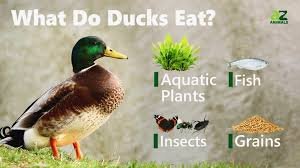
Ducks are some of the most familiar birds around us. You’ll see them paddling across ponds, wandering through parks, or waddling around backyards like they own the place. Because they’re so visible, one question comes up again and again: what do ducks eat?
Most people assume the answer is simple, bread. But the truth is far more interesting, and honestly, a little eye-opening. Ducks have a varied, flexible diet that changes depending on where they live, the season, and whether they’re wild, domestic, or kept as pets. Understanding what do ducks eat daily, what foods are safe, and what should be avoided can make a big difference to their health.
This guide breaks down ducks’ natural diet, their feeding habits, and how human food fits (or doesn’t fit) into the picture, all without the lecture.
What Do Ducks Eat
Ducks are omnivorous birds, which means they eat both plant and animal matter. Their bodies are designed for variety, not one single type of food. In the wild, ducks rely on natural foraging, while ducks in parks or backyards often depend on what humans offer them, for better or worse.
At a basic level, what do ducks eat depends on:
- Where they live (ponds, lakes, parks, farms)
- Whether they are wild or domestic
- Their age (ducklings vs adults)
- The time of year
Ducks are opportunistic feeders. If food is available and safe, they’ll usually try it, which is why knowing safe food for ducks matters more than people realize.
Duck Diet: Understanding Their Natural Eating Habits
Ducks’ Natural Diet Explained
A duck’s natural diet is surprisingly diverse. In the wild, ducks spend much of their day searching for food in shallow water, mud, grass, and along shorelines. This mix of foods provides the nutrients they need to stay healthy without relying on any single source.
A typical ducks natural diet includes:
- Aquatic plants
- Seeds and grains
- Algae
- Insects and larvae
- Small fish and snails
- Grass and leafy vegetation
These foods support proper duck nutrition and help maintain strong feathers, healthy wings, and normal growth.
Ducks Eating Habits and Feeding Behavior
Ducks don’t eat one large meal and call it a day. Their eating habits are spread out. They forage, graze, dabble, and nibble throughout the day, especially during morning and evening hours.
Their feeding habits include:
- Dabbling in shallow water for plants and insects
- Grazing on grass and land plants
- Sifting mud for small invertebrates
This natural rhythm explains how ducks find food without constant feeding from people.
What Do Ducks Eat in the Wild
Natural Foods Found in Ponds and Lakes
When people ask what do ducks eat in ponds or what do ducks eat in lakes, the answer is mostly natural and self-sustaining. Ponds and wetlands are full of food if they’re healthy ecosystems.
Wild ducks commonly eat:
- Aquatic plants and roots
- Algae growing on rocks and water surfaces
- Seeds from grasses and reeds
- Insects, larvae, and worms
- Snails and small crustaceans
- Occasional small fish
This mix is why ponds play such a huge role in waterfowl feeding and overall biodiversity.
What Wild Ducks Eat vs Human Assumptions
Unlike popular belief, wild ducks don’t rely on people. They’re skilled natural foraging birds. Human feeding is supplemental at best and harmful at worst when the wrong foods are offered.
Knowing what wild ducks eat helps explain why unnatural diets can lead to health problems.
What Do Ducks Eat Daily
Ducks eat frequently but in small amounts. What do ducks eat daily depends on availability rather than strict schedules.
On an average day, ducks:
- Forage early in the morning
- Graze and dabble throughout the day
- Feed again in the evening
This constant movement and searching supports digestion and keeps ducks active. It also explains how often do ducks eat, not by the clock, but by opportunity.
What Do Ducks Eat Naturally vs Human-Fed Diets
Feeding Ducks in Parks and Public Spaces
In parks, what do ducks eat in parks often shifts away from natural food and toward human offerings. Unfortunately, this is where problems begin.
While people mean well, feeding ducks bread and junk food:
- Replaces natural foraging
- Reduces nutritional intake
- Leads to dependency on humans
This shift affects pond wildlife food availability and disrupts natural behavior.
Should You Feed Ducks?
People often ask, should you feed ducks at all. The safest answer is moderation and education. Feeding ducks the right food occasionally is far better than daily feeding with poor nutrition.
Understanding how to feed ducks safely matters more than whether to feed them at all.
What Do Ducks Eat as Pets and Domestic Ducks
What Do Ducks Eat at Home
Domestic ducks and pets rely entirely on their caretakers. What do ducks eat at home should closely resemble their natural diet while meeting nutritional needs.
Common foods for pet ducks include:
- Commercial duck pellets
- Grains in moderation
- Leafy greens
- Vegetables and fruits as treats
Balanced feeding is the foundation of pet duck feeding.
Differences Between Wild and Domestic Duck Diet
There are real differences between wild and pet duck diet. Wild ducks burn more energy searching for food, while domestic ducks need controlled portions to avoid obesity.
This difference explains why farm duck diet and backyard duck food are carefully managed rather than random.
Specific Foods Ducks Eat
Do Ducks Eat Bread, Rice, and Corn?
People ask these questions constantly:
- Do ducks eat bread? Yes, but they shouldn’t.
- Do ducks eat rice? Small amounts of cooked rice are generally safe.
- Do ducks eat corn? Yes, cracked or cooked corn is acceptable in moderation.
Bread fills ducks up without providing nutrients, which is why many experts warn against it.
Seeds, Plants, and Greens
Ducks naturally eat:
- Seeds
- Grass
- Plants
- Vegetables
So yes:
- Do ducks eat seeds? Absolutely.
- Do ducks eat grass? Yes.
- Do ducks eat plants? Regularly.
- Do ducks eat vegetables? They can, especially leafy greens.
Protein Sources Ducks Eat
Protein is essential for feather health and growth.
Ducks eat:
- Insects
- Worms
- Snails
- Small fish
- Algae
This answers common searches like:
- Do ducks eat insects
- Do ducks eat worms
- Do ducks eat snails
- Do ducks eat fish
- Do ducks eat algae
Foods Ducks Should NOT Eat
Is Bread Bad for Ducks?
Yes. Is bread bad for ducks isn’t a myth, it’s well-documented. Bread causes malnutrition and is linked to angel wing in ducks, a painful wing deformity.
Harmful and Unsafe Foods
Foods ducks should not eat include:
- Junk food
- Chips and crackers
- Sugary snacks
- Processed bread
- Moldy food
These fall under harmful food for ducks, toxic food for ducks, and unsafe food for ducks.
What Do Baby Ducks and Ducklings Eat
Duckling Diet Basics
What do baby ducks eat is different from adults. Ducklings need more protein for growth.
A proper duckling diet includes:
- Starter feed
- Small insects
- Finely chopped greens
Feeding Ducklings Naturally
When possible, feeding ducklings naturally allows them to forage for insects and plants. This supports healthy development better than human food alone.
Seasonal Changes in a Duck’s Diet
What Do Ducks Eat in Winter
What do ducks eat in winter changes drastically. Frozen ponds limit access to plants and insects, forcing ducks to rely more on seeds and remaining vegetation.
Spring, Summer, and Fall Diets
- What do ducks eat in spring: insects and fresh plant growth
- What do ducks eat in summer: algae, plants, insects
- What do ducks eat in fall: seeds and grains to build energy
Seasonal changes directly affect duck species diet differences.
Duck Health, Nutrition, and Responsible Feeding
A healthy duck diet isn’t about treats, it’s about balance. Poor feeding leads to malnutrition in ducks, wing problems, and weakened immune systems.
A balanced diet for ducks supports:
- Proper feather development
- Strong wings
- Natural behavior
- Long-term health
This is the foundation of proper feeding for ducks and overall duck health and diet.
Human Interaction and Feeding Ducks Responsibly
Because ducks live so close to people, human interaction plays a big role in shaping their diet. In cities, parks, and residential areas, ducks quickly learn where food appears. This is why questions like can you feed ducks and should you feed ducks come up so often.
Feeding ducks isn’t automatically harmful, but how and what you feed them matters far more than most people think. When ducks rely too heavily on humans, they often stop natural foraging, which affects both their health and the local ecosystem.
How to Feed Ducks Safely
If you do choose to feed ducks, safety and moderation are key. The goal should never be to replace their natural diet, only to supplement it occasionally.
Safe feeding practices include:
- Offering food in small amounts
- Spreading food out to prevent crowding
- Avoiding feeding every day
- Allowing ducks time to forage naturally
This approach supports healthier duck feeding habits while reducing dependency.
Feeding Ducks in Parks
Feeding ducks in parks is common, but park ducks are often the most affected by poor diets. Regular feeding with bread and snacks can cause:
- Nutritional deficiencies
- Increased aggression
- Overpopulation in small ponds
Park environments already provide pond wildlife food, so extra feeding should be minimal and thoughtful.
Bread Alternatives and Better Snacks
Instead of bread, better options exist. When people search for feeding ducks bread alternatives or best snacks for ducks, they’re usually looking for healthier choices.
Better snack options include:
- Leafy greens
- Seeds and grains in moderation
- Small amounts of vegetables
- Duck-safe pellets
These options are far closer to a duck’s natural intake.
What Do Ducks Eat in Water vs on Land
Ducks split their feeding time between land and water. This flexibility is a major reason they thrive in so many environments.
What Do Ducks Eat in Water
What do ducks eat in water mostly comes from aquatic ecosystems. Ducks dabble, tip forward, or dive shallowly to reach food.
Common water-based foods include:
- Algae
- Aquatic plants
- Insects and larvae
- Snails
- Small fish
This type of feeding is a major part of an aquatic bird diet and supports natural digestion and feather health.
What Do Ducks Eat on Land
On land, ducks shift to grazing and pecking. What do ducks eat on land often includes:
- Grass
- Seeds
- Fallen grains
- Leaves
- Small insects
Land feeding supports natural movement and reduces overcrowding in water areas.
Feeding Behavior and Frequency
How Often and How Much Do Ducks Eat
People often ask how often do ducks eat and how much do ducks eat, assuming there’s a strict schedule. In reality, ducks eat small amounts frequently.
Their feeding behavior is based on:
- Availability of food
- Energy needs
- Seasonal conditions
Ducks rarely overeat natural foods, but human-fed foods change that balance.
When Do Ducks Eat Most
When do ducks eat most actively tends to be:
- Early morning
- Late afternoon and evening
These periods align with natural foraging instincts and predator awareness.
Ducks Foraging and Grazing Habits
Ducks foraging behavior is instinctive. They explore mud, grass, and shallow water constantly. Ducks grazing habits also help manage vegetation naturally, making them valuable contributors to their environment.
What Do Ducks Eat During Migration
Migration requires massive energy. What do ducks eat during migration focuses on high-energy foods that help them store fat.
These foods include:
- Seeds
- Grains
- Aquatic plants
- Insects
Wetlands are especially important during this time, acting as refueling stations for migrating ducks.
What Do Ducks Eat to Stay Healthy
A common question is what do ducks eat to stay healthy. The answer isn’t one single food but balance and variety.
Healthy diets include:
- Plant matter for fiber
- Protein for feathers and muscles
- Natural fats for energy
- Access to water for digestion
When ducks are fed improperly, issues like angel wing in ducks and weakened immune systems become more common.
What Do Ducks Eat the Most
So, what do ducks eat the most? In natural settings, it’s not bread or grain, it’s:
- Aquatic plants
- Seeds
- Insects
- Algae
These foods make up the bulk of their intake and support long-term health.
What Do Ducks Eat Besides Bread
People are often relieved to learn what do ducks eat besides bread because alternatives are easy to find.
Better options include:
- Greens
- Vegetables
- Seeds
- Duck pellets
Bread may be common, but it’s not necessary, or beneficial.
What Do Ducks Eat in Captivity
What do ducks eat in captivity differs from wild ducks because food access is controlled. Captive ducks depend entirely on caretakers to meet their nutritional needs.
Captive diets usually include:
- Formulated duck feed
- Supplemented greens
- Occasional fruits and vegetables
- Clean water at all times
Captivity requires careful balance to prevent obesity and nutrient deficiencies.
Duck Species Diet Differences
Not all ducks eat exactly the same foods. Duck species diet differences depend on bill shape, habitat, and behavior.
Some species focus more on:
- Plant-based diets
- Insect-heavy diets
- Fish and aquatic organisms
Understanding these differences helps explain why no single feeding approach works for all ducks.
