


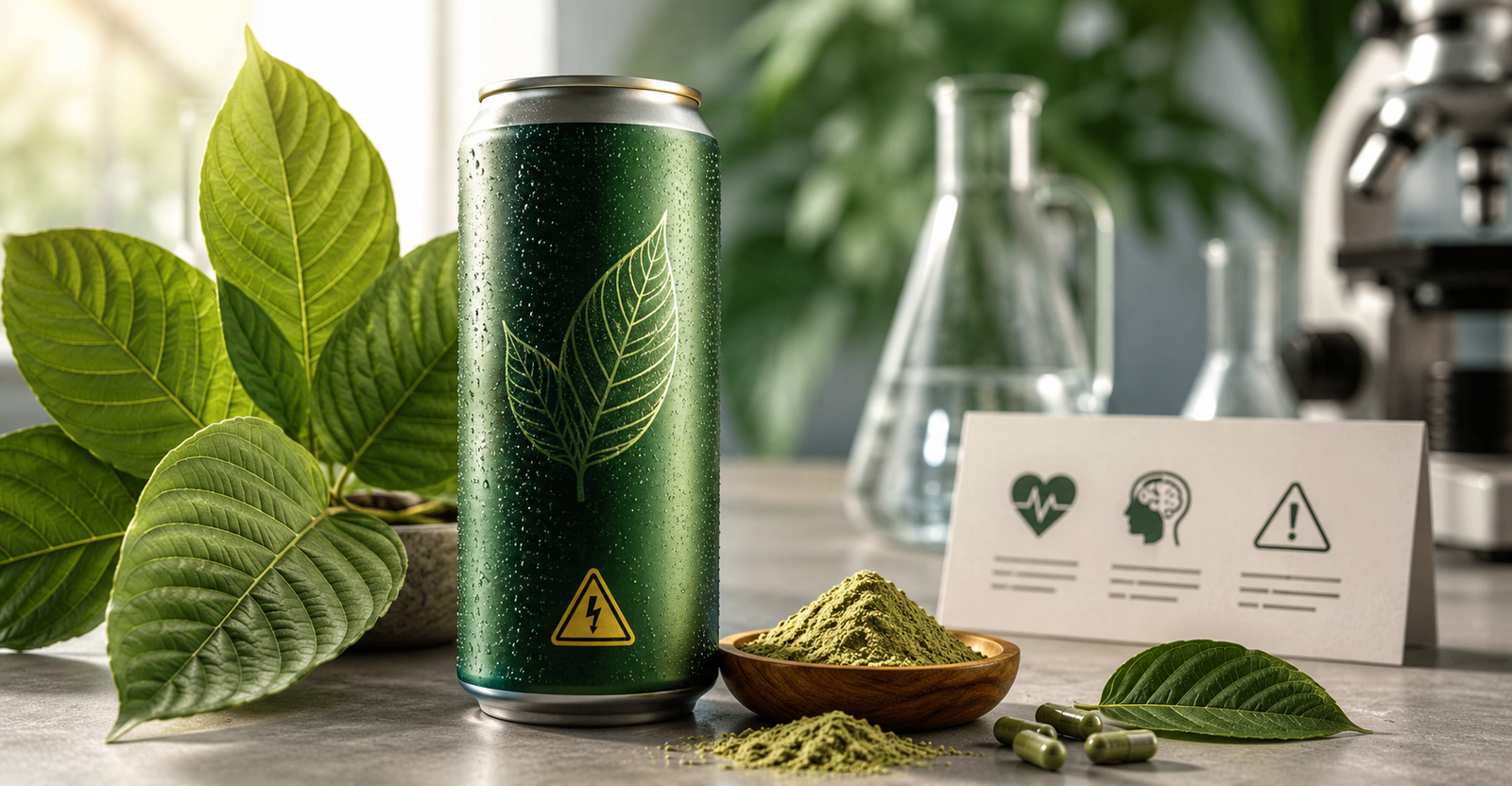
An energy drink with kratom sounds like a simple idea: caffeine for alertness, kratom for mood or focus, and a ready-to-drink format that feels more like a wellness beverage than a strong substance. But this trend deserves real caution. Energy drinks with kratom are not the same as ordinary coffee, soda, or standard caffeine drinks.
Kratom comes from the leaves of Mitragyna speciosa, a tree native to Southeast Asia. The National Institute on Drug Abuse explains that kratom can produce both stimulant-like and opioid-like effects, depending on the amount, product, and person using it.
What Is an Energy Drink With Kratom?
An energy drink with kratom is usually a canned or bottled beverage that combines kratom extract or kratom-related compounds with ingredients often found in energy drinks, such as caffeine, flavoring, sweeteners, B vitamins, botanical extracts, or electrolytes.
Some products are marketed as:
Kratom energy drinks
Kratom seltzers
Kratom shots
Botanical energy drinks
Functional beverages
Plant-based mood drinks
Kratom and caffeine drinks
The problem is that the label may not always make the risk obvious. Some products use soft wellness language, while the active ingredient may still affect the brain, mood, alertness, heart rate, sleep, and dependence risk.
Why Are Kratom Energy Drinks Becoming Popular?
Kratom drinks are popular because they fit into several trends at once: energy drinks, nootropic-style beverages, alcohol alternatives, botanical wellness, and convenience-store “functional” drinks.
People may be drawn to them for:
Energy
Focus
Mood support
Relaxation
Pain relief claims
Social drinking without alcohol
A stronger effect than caffeine alone
Mayo Clinic notes that kratom is sold as an energy booster, mood lifter, pain reliever, and remedy for opioid withdrawal symptoms, but also warns that the safety picture is not simple and that kratom use has been linked with health concerns.
How Kratom May Feel in a Drink
Kratom’s effects are not always predictable. Some people report feeling more awake or focused. Others report calmness, relaxation, nausea, dizziness, or sleepiness. The effect may change depending on the product strength, kratom alkaloid content, caffeine level, body weight, tolerance, other medicines, and whether the person has eaten.
Commonly reported effects may include:
Increased alertness
A lifted mood
Relaxation
Less discomfort or pain perception
Nausea
Dizziness
Sweating
Dry mouth
Constipation
Sleep problems
Fast heartbeat or jitteriness
NIDA states that people report using kratom to manage pain, opioid withdrawal symptoms, mental health symptoms, and to increase energy or focus, but researchers are still studying its effects and risks.
The Caffeine Problem
A normal energy drink can already be strong. Adding kratom can make the effect harder to judge. Caffeine is a stimulant, and many energy drinks contain a lot of it.
The FDA says that for most adults, 400 mg of caffeine per day is an amount not generally associated with dangerous negative effects, but sensitivity varies. The FDA also notes that energy drinks can range widely in caffeine content, with many containing significant amounts per serving.
When caffeine and kratom are combined, possible concerns include:
Jitters
Anxiety
Racing heartbeat
Higher blood pressure
Trouble sleeping
Nausea
Dehydration-like feelings
Stronger crash later
A person may think they are drinking one “energy beverage,” but the body may experience it as a mix of stimulant and opioid-like plant compounds.
Are Energy Drinks With Kratom Safe?
There is no simple “yes” answer. The safety of energy drinks with kratom depends on the product, strength, ingredients, user health, other medicines, and frequency of use. Even then, there are important warnings.
The FDA says kratom is not lawfully marketed in the United States as a drug product, dietary supplement, or food additive in conventional food. That matters because a drink is a conventional food/beverage format, not just a loose herb sold separately.
This means buyers should be very careful with any kratom beverage that looks like a normal energy drink, especially if it is sold at gas stations, smoke shops, convenience stores, or online without strong safety information.
Kratom and Addiction Concerns
One of the biggest issues with kratom drinks is repeated use. A ready-to-drink can or shot may feel casual, but kratom can lead to dependence in some users. People who use it often may find they need more to get the same effect or feel withdrawal symptoms when they stop.
Possible withdrawal symptoms may include:
Irritability
Low mood
Anxiety
Muscle aches
Runny nose
Sleep problems
Cravings
Restlessness
Nausea
NIDA describes kratom as producing opioid- and stimulant-like effects and notes that people may experience withdrawal symptoms after regular use.
The 7-OH Issue
Some newer products may contain or emphasize 7-hydroxymitragynine, often called 7-OH. This is one of the alkaloids associated with kratom, but products with added or enhanced 7-OH are a major safety concern.
The FDA recommends consumers avoid 7-OH products, including foods and dietary supplements, because products with added or enhanced 7-OH levels can be dangerous. The FDA has also warned companies about illegally marketing products containing 7-OH, describing growing concern around potent opioid products sold online and in places like smoke shops, gas stations, and corner stores.
This is especially important for kratom beverages because a consumer may not understand whether the drink contains normal leaf extract, concentrated extract, or enhanced alkaloid content.
Why Labeling Matters So Much
A good label should clearly show what is inside. With kratom drinks, that is not always easy. Some labels may list kratom extract but not clearly explain the amount of mitragynine, 7-OH, caffeine, or other active ingredients.
A risky product may have:
No clear kratom amount
No alkaloid testing details
No caffeine total
No batch testing
No warning about dependence
No age warning
No pregnancy warning
No medication interaction warning
Strong claims about pain, anxiety, focus, or withdrawal
If a product makes medical claims, that is another red flag. A beverage should not be marketed like a cure for pain, anxiety, depression, opioid withdrawal, or medical fatigue.
Who Should Avoid Kratom Energy Drinks?
Some people should be especially cautious or avoid them completely.
This includes people who are:
Pregnant or breastfeeding
Under 18
Taking opioids, sedatives, antidepressants, stimulants, or anxiety medicines
Managing heart disease or high blood pressure
Sensitive to caffeine
Dealing with anxiety, panic attacks, bipolar disorder, or psychosis
Recovering from substance use disorder
Using alcohol or other drugs
Driving, working machinery, or doing safety-sensitive work
Kratom mixed with other substances can be more unpredictable. Many serious kratom-related reports involve multiple substances, which makes safety harder to judge.
Energy Drink With Kratom vs Regular Energy Drink
A regular energy drink usually relies on caffeine and flavoring. It can still cause side effects if overused, but the main stimulant is usually familiar.
A kratom energy drink is different because it may combine:
Caffeine stimulation
Kratom alkaloid effects
Possible opioid-like activity
Botanical extracts
Sweeteners or acids
Unknown extract strength
Poison Control warns that consuming large amounts of caffeine can be dangerous, especially as energy drinks with high caffeine and other herbal stimulants have become more common. Adding kratom gives the drink another layer of risk.
Possible Side Effects to Watch For
Side effects can happen even if the drink is legal where you live. Stop using the product and seek medical help if symptoms feel serious or unusual.
Possible side effects include:
Severe nausea or vomiting
Extreme sleepiness
Confusion
Fast or irregular heartbeat
Chest pain
Shortness of breath
Fainting
Seizure-like symptoms
Severe anxiety or panic
Yellowing skin or eyes
Dark urine
Severe abdominal pain
Do not mix kratom drinks with alcohol, opioids, benzodiazepines, sleep medicines, or other sedating substances. That combination can increase the risk of dangerous sedation and breathing problems.
Are Kratom Energy Drinks Legal?
Legal status depends on the country, state, or local area. In some places, kratom is legal. In others, it is restricted or banned. Even where kratom itself is legal, a kratom product sold as a food, drink, dietary supplement, or medical treatment may still create regulatory problems.
The FDA’s position is especially important for U.S. readers because it says kratom is not lawfully marketed as a drug, dietary supplement, or food additive in conventional food.
Before buying or selling any kratom drink, check your local laws and health regulations.
Marketing Claims to Be Careful With
Be careful when a product sounds too clean or too powerful at the same time. Phrases like “natural,” “plant-based,” or “botanical” do not automatically mean safe.
Watch out for claims such as:
Safe daily energy
Non-addictive kratom drink
Opioid withdrawal cure
Pain relief drink
Anxiety relief beverage
No crash guaranteed
Doctor-approved without proof
Stronger than coffee but totally safe
A product can be natural and still have real pharmacological effects. Caffeine is natural too, but too much can still cause problems.
Safer Alternatives for Energy
If the goal is energy, focus, or less afternoon fatigue, there are safer options to consider before trying a kratom beverage.
Better first steps may include:
Improving sleep schedule
Drinking water regularly
Eating enough protein
Reducing late-night caffeine
Using coffee or tea in moderate amounts
Taking short walks
Checking iron, thyroid, vitamin D, or sleep apnea if fatigue is ongoing
Speaking with a healthcare professional if tiredness is constant
If fatigue is severe, daily, or affecting work and life, it is better to look for the cause rather than covering it with strong drinks.
What Buyers Should Check Before Trying One
For anyone considering an energy drink with kratom, the safest move is to slow down and check the basics.
Look for:
Clear ingredient list
Caffeine amount per serving
Mitragynine amount
No added or enhanced 7-OH
Third-party lab testing
Batch number
Real company contact details
Warnings about pregnancy, driving, dependence, and medication interactions
No medical treatment claims
If those details are missing, the product is not worth the risk.
Plain-English Answer
An energy drink with kratom is not just a stronger energy drink. It may combine caffeine with kratom alkaloids that can have stimulant-like and opioid-like effects. Some people may use energy drinks with kratom for focus, mood, or energy, but the safety concerns are real.
The main risks include dependence, withdrawal, unknown strength, caffeine overload, heart symptoms, drug interactions, and possible exposure to enhanced compounds like 7-OH. The safest advice is to treat kratom drinks with caution, avoid products with unclear labels or medical claims, and speak with a healthcare professional before using them if you have any health condition or take medication.
