


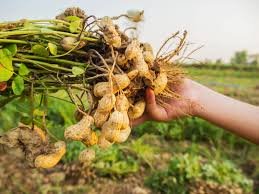
Peanuts are one of the most intriguing crops in the world. Unlike most nuts that grow on trees, peanuts develop underground, making their growth process unique and fascinating. Whether you’re curious about backyard gardening or interested in large-scale farming, understanding how do peanuts grow can help you appreciate their life cycle, cultivation, and harvest.
From planting seeds to harvesting mature pods, peanuts undergo a complex series of growth stages, including germination, flowering, pegging, and pod development. This guide explores each stage, explains the botanical science behind peanut growth, and provides practical tips for growing peanuts successfully.
How Do Peanuts Grow
Peanuts are legumes, not true nuts, and they belong to the same family as beans and lentils. Their growth is unusual because while the plant flowers above ground, the peanuts themselves develop underground through a process called geocarpy.
Peanut Growth Process
The peanut growth process begins with planting seeds. Once the seeds germinate, seedlings emerge and establish roots, stems, and leaves. As the plant matures, flowers form above the soil. After pollination, special stems called pegs push the fertilized flowers into the soil, where the pods develop. This combination of above-ground flowering and below-ground pod development is what makes peanuts unique.
Peanut Plant Life Cycle
The peanut plant life cycle includes several distinct stages:
- Germination: Sprouting from seed in soil.
- Vegetative growth: Developing roots, stems, and leaves.
- Flowering: Producing yellow blossoms above ground.
- Pegging: Fertilized flowers push pegs into the soil.
- Pod development: Pods form underground, maturing into peanuts.
The peanut plant growth stages from seed can vary slightly depending on variety, climate, and soil conditions, but the overall timeline from planting to harvest generally spans 120–150 days.
Peanut Germination and Seedling Development
How do peanuts grow from seed? It starts with germination. Peanut seeds are usually planted 2–3 inches deep in well-draining, sandy soil. Once moisture and temperature conditions are right, the seed sprouts, sending roots downward and shoots upward.
During germination:
- Roots absorb nutrients and establish anchorage.
- Shoots push above soil, forming the first leaves.
- Early development sets the foundation for later stages like flowering and pegging.
Proper care during this phase, including adequate water and sun exposure, is crucial for healthy growth.
Flowering and Pegging: The Unique Peanut Growth Stage
One of the most fascinating aspects of peanut cultivation is peanut flowering and pegging.
- Flowers appear above ground roughly 30–40 days after planting. They are small, yellow, and pollinated naturally or by insects.
- After fertilization, the flower stalks elongate to form pegs that grow downward into the soil.
- The fertilized ovary at the tip of the peg develops into a peanut pod underground (underground peanut development).
This process, known as geocarpy, is unique to peanuts and ensures that the seeds develop in a safe, nutrient-rich environment below the surface.
Botanical and Scientific Insights
Understanding peanut anatomy growth and reproduction explains why peanuts are legumes. Unlike tree nuts, peanuts:
- Fix nitrogen in the soil through root nodules (nitrogen fixation in peanuts).
- Improve soil fertility, making them beneficial for crop rotation (peanuts and crop rotation).
- Produce pods that form underground while stems and leaves grow above the soil (how peanut flowers turn into pods).
These botanical insights also clarify common questions such as are peanuts nuts or legumes and why peanuts grow underground.
Cultivation and Farming Practices
Growing peanuts successfully requires careful attention to planting, soil, sun, and water conditions.
Planting Peanuts Step by Step
- Select seeds: Choose high-quality peanut seeds suitable for your climate.
- Prepare soil: Peanuts thrive in sandy, well-draining soil with a pH of 5.8–6.5 (peanuts soil requirements, soil pH for peanut growth).
- Plant seeds: Sow seeds 2–3 inches deep, spaced 6–8 inches apart (how peanuts are planted, peanut planting guide).
- Water and care: Keep soil moist but not waterlogged (peanut irrigation and moisture).
Best Conditions for Peanuts to Grow
- Climate: Warm and frost-free conditions are ideal (peanut warm climate growth, frost-free peanut planting).
- Sunlight: Full sun exposure ensures proper growth (how much sun peanuts need).
- Growing season: Typically 4–5 months, depending on variety (peanuts growing season, how long peanuts take to grow).
Soil and Environmental Considerations
Peanuts are sensitive to soil and environmental conditions. Key factors include:
- Sandy soil that drains well (peanuts in sandy soil)
- Moderate soil temperatures to encourage germination (peanut soil temperature)
- Fertile soil with minimal compaction to allow peg penetration (best soil for peanut plants)
Proper soil preparation improves root and peg development, ensuring higher yields and healthier plants.
Growing Peanuts at Home or in Gardens
Peanuts aren’t just for farms, they can be grown in backyard gardens, containers, or pots:
- Backyard gardens: Sow seeds in prepared soil beds.
- Containers: Use deep pots to allow pegs to penetrate soil.
- Cold climates: Start seeds indoors and transplant after frost risk passes.
People often ask, do peanuts grow in your garden? or can you grow peanuts at home?, with proper care, it’s entirely possible.
Peanut Pod Development and Underground Growth
How do peanut plants make pods below ground? Once the pegs enter the soil:
- Fertilized ovary tips swell and form pods.
- Pods mature underground over several weeks.
- Nutrients from leaves and roots support pod growth.
This underground growth protects peanuts from pests, drought, and extreme temperatures.
Harvesting Peanuts
Knowing when to harvest peanuts is essential:
- Pods are ready when leaves begin to yellow and plants show signs of maturity (peanut plant maturity).
- Plants are uprooted carefully to avoid damaging pods.
- After harvesting, peanuts undergo curing and drying to remove excess moisture (after harvest peanut drying, curing peanuts after harvest).
Harvest timing affects both quality and yield, making careful observation crucial for both home growers and farmers.
Peanuts: Fun Facts and Learning Insights
- Peanuts are legumes, not nuts.
- Their unique underground development process is called geocarpy.
- They improve soil fertility by fixing nitrogen.
- Peanuts go through several stages from seed to mature pod (peanuts lifecycle explained, seed to harvest peanuts).
- They can be grown in gardens, containers, and even colder climates with proper care.
Common Questions About Peanuts
- Do peanuts grow on a vine or in the ground?
Peanuts grow on low-lying plants, but the pods develop underground through pegging. - Why are peanuts considered unhealthy?
While nutritious, peanuts can contain aflatoxins if improperly stored and are high in fat, so moderation is key. - Are peanuts the only nut that grows underground?
Yes, peanuts are unique in this respect. Most nuts, like almonds or walnuts, grow on trees. - Is a peanut a vegetable or a fruit?
Botanically, peanuts are legumes, a type of fruit that develops in pods underground.
Peanut Growth Stages and Care Tips
| Growth Stage | Timeline | Key Activities / Care | Notes / Observations |
| Seed Germination | 0–10 days | Plant seeds 2–3 inches deep in sandy, well-draining soil. Keep soil moist but not waterlogged. | This is the first step in how do peanuts grow from seed. Temperature should be ~70–85°F. |
| Seedling / Vegetative Growth | 10–30 days | Develop roots and leaves. Fertilize lightly if soil is nutrient-poor. Ensure full sunlight. | Healthy leaves provide energy for peanut flowering and pegging later. |
| Flowering | 30–40 days | Yellow blossoms appear above ground. Monitor for pests and ensure adequate water. | Flowers are essential for pod formation. Peanut plant reproduction occurs at this stage. |
| Pegging | 40–60 days | Fertilized flowers elongate into pegs that push into the soil. Maintain loose soil for peg penetration. | Underground peanut development begins. This is the unique geocarpy process. |
| Pod Development / Maturation | 60–120 days | Nutrients from leaves and roots support pod growth. Regular watering and pest monitoring. | Pods develop fully underground. This stage determines final yield. |
| Plant Maturity / Pre-Harvest | 120–150 days | Leaves begin yellowing. Reduce watering slightly to harden pods. | Observe peanut growth timeline for signs that pods are ready. |
| Harvesting | ~150 days | Uproot plants carefully, shake off soil, and cure pods. | Follow proper peanut harvesting process and curing peanuts after harvest to avoid mold. |
Notes on Care During Each Stage
- Watering: Keep soil evenly moist throughout the growth cycle, but avoid overwatering, especially during pegging.
- Sunlight: Peanuts require full sun exposure (how much sun peanuts need) for optimal photosynthesis.
- Soil Fertility: Nitrogen fixation in peanuts helps improve soil, but sandy, well-draining soil is essential.
- Pests & Diseases: Common issues include leaf spots, root rot, and aphids. Early detection improves yields (peanut pests and diseases).
- Harvest Timing: Pods should be mature but not overripe. Check a few pods by cracking them open before full-scale harvesting.
Seasonal Tips for Growing Peanuts
- Spring: Plant seeds after the last frost in well-prepared soil. Ensure consistent moisture.
- Summer: Focus on watering, pest control, and monitoring peg development.
- Fall: Reduce water slightly as pods mature. Prepare for harvest.
- Winter: In warmer climates, peanuts may overwinter, but in colder areas, store harvested pods properly to prevent rot.
