


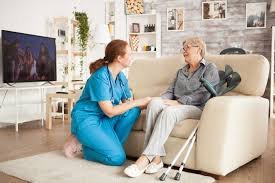
Healthcare is quietly going through one of its biggest shifts in decades. Instead of everything revolving around hospitals, clinics, and long waiting rooms, care is steadily moving into people’s homes. This change isn’t happening by chance, it’s being driven by future healthcare technology that’s making at-home care smarter, safer, and far more personal than it ever was before.
Patients today want comfort, convenience, and control. Healthcare systems want better outcomes and lower costs. Families want peace of mind. At-home healthcare technology sits right in the middle of all of that, bridging the gap between medical-grade care and everyday living.
From remote patient monitoring and telemedicine at home to AI-powered healthcare monitoring and smart medical devices, the future of at-home healthcare is no longer a concept, it’s already unfolding.
How Future Healthcare Technology Is Elevating At-Home Care
At its core, future healthcare technology is elevating at-home care by making it feel less like “care at a distance” and more like continuous, connected support. Home-based patient care today looks very different from what it did even five years ago.
Modern at-home healthcare technology combines:
- Real-time health data
- Digital healthcare innovation
- Remote communication with providers
- Personalized care plans built around each patient
Instead of reacting to emergencies, technology now supports preventative healthcare, early intervention, and long-term wellness, all without forcing patients to leave their homes.
This shift is especially important for seniors, people with chronic conditions, and patients recovering after surgery, where consistency and comfort matter just as much as clinical accuracy.
Why At-Home Care Is Becoming the Preferred Healthcare Model
The future of at-home healthcare isn’t driven by technology alone. It’s being shaped by real-world needs.
Healthcare systems are under pressure from rising costs and staff shortages. Patients are living longer, often managing multiple chronic conditions. Families are balancing care responsibilities with work and daily life.
At-home care solutions help address these challenges by:
- Reducing unnecessary hospital visits
- Supporting independent living
- Improving long-term outcomes
- Lowering overall healthcare costs
When technology improving at-home care is added to the mix, home care becomes a practical alternative rather than a compromise.
The Evolution of At-Home Healthcare Technology
From Basic Home Care to Digital Healthcare at Home
Traditional home care relied heavily on scheduled visits and manual check-ins. While helpful, this model left gaps between appointments where problems could go unnoticed.
Digital healthcare at home has changed that completely.
Today’s home-based healthcare technology includes:
- Connected healthcare devices that track vital signs
- Wearable health technology that works 24/7
- Cloud-based platforms that share data instantly
This evolution allows care teams to monitor patients continuously rather than intermittently, leading to faster responses and better decisions.
Healthcare Digital Transformation in Home Settings
Healthcare digital transformation has extended far beyond hospitals. In-home healthcare technology now connects patients, caregivers, nurses, and physicians through integrated healthcare platforms.
Key elements of this transformation include:
- Secure digital health solutions for data sharing
- Centralized dashboards for care teams
- Automated alerts when health metrics change
This connectivity is what makes future medical technology at home reliable rather than experimental.
Remote Patient Monitoring: The Foundation of At-Home Care
Remote patient monitoring has become one of the most important pillars of modern home healthcare services technology.
How Remote Patient Monitoring Works
Remote patient monitoring uses a combination of:
- Home health monitoring devices
- Wearable sensors
- Smart medical devices
These tools track metrics like heart rate, blood pressure, oxygen levels, glucose, and activity levels. Data is sent securely to healthcare providers, allowing continuous health monitoring at home.
If something falls outside normal ranges, providers are alerted immediately.
Benefits of Remote Healthcare Technology
Remote healthcare technology improves care in ways that traditional models simply can’t match.
Benefits include:
- Earlier detection of health issues
- Fewer emergency room visits
- Better chronic disease management at home
- Increased patient confidence and independence
This is why remote patient monitoring is central to both the hospital-at-home model and value-based healthcare strategies.
Conditions Commonly Managed at Home With Technology
Remote monitoring is now widely used for:
- Heart disease and hypertension
- Diabetes and metabolic conditions
- Respiratory illnesses
- Post-surgical recovery
- Long-term elderly care
As healthcare technology trends continue to evolve, this list keeps growing.
Telehealth and Virtual Healthcare Services at Home
Telehealth for at-home care became widely accepted during global health crises, but its value has made it permanent.
Telemedicine at Home: More Than Video Calls
Telemedicine at home now includes:
- Virtual consultations
- Remote diagnostics
- Digital follow-ups and care coordination
Patients can connect with doctors without travel, long waits, or exposure to infections, especially valuable for seniors and immunocompromised individuals.
How Virtual Care Fits Into Home-Based Patient Care
Virtual healthcare services work best when combined with remote monitoring. Together, they allow providers to:
- Review real-time data before appointments
- Adjust treatments quickly
- Offer more personalized at-home care
This blended approach creates a more responsive and human healthcare experience.
AI and Automation in At-Home Healthcare
Artificial intelligence in healthcare is no longer limited to hospitals and research labs. AI in home healthcare is quietly transforming daily care routines.
AI-Powered Healthcare Monitoring
AI-powered healthcare monitoring systems analyze massive amounts of patient data to identify trends and risks. This allows for:
- Predictive healthcare technology that flags issues early
- Smarter alerts that reduce false alarms
- Data-driven healthcare care decisions
Instead of reacting to symptoms, care teams can act before problems escalate.
Smart Diagnostics and Virtual Health Assistants
Smart diagnostics at home are improving patient understanding and engagement. Virtual health assistants can:
- Answer health-related questions
- Remind patients to take medication
- Support adherence to care plans
These tools enhance personalized healthcare technology while reducing caregiver workload.
Automation That Supports, Not Replaces, Caregivers
Healthcare automation tools help with scheduling, alerts, and documentation, but they’re designed to support human care, not replace it.
The goal is simple: give caregivers more time for meaningful interaction while technology handles repetitive tasks.
Personalized and Patient-Centered Care Through Technology
One of the biggest advantages of future healthcare technology at home is personalization.
Personalized At-Home Care Through Data
Connected systems allow care plans to adapt based on:
- Daily health trends
- Patient behavior
- Lifestyle patterns
This creates smart care plans at home that evolve as the patient’s needs change.
Improving the Patient Experience
Healthcare technology improving patient experience focuses on:
- Empowerment through information
- Clear communication
- Reduced stress and uncertainty
Digital patient engagement tools help patients feel involved rather than passive.
Technology Supporting Elderly Care and Aging in Place
Elderly patients and those with chronic conditions benefit the most from home-based healthcare technology. Future healthcare technology is not just about convenience—it’s about safety, independence, and quality of life.
Why Seniors Benefit From At-Home Healthcare Technology
- Comfort and familiarity: Seniors can receive advanced care without leaving their homes.
- Reduced infection risk: Staying home minimizes exposure to contagious environments.
- Support for independent living: Technology allows seniors to maintain autonomy while still being monitored.
Smart Safety and Assistive Technologies
Some of the most impactful tools include:
- Fall detection technology: Sensors alert caregivers instantly if a fall occurs.
- Smart medical alerts: Devices that automatically notify emergency contacts.
- Remote elderly monitoring: Continuous tracking of vitals and activity patterns for peace of mind.
Chronic Disease Management for Seniors
Home healthcare technology helps manage chronic conditions effectively:
- Medication adherence tools remind patients when and how to take medicines.
- Continuous monitoring of vital signs allows for timely interventions.
- Data collected can be shared with care teams for more personalized management.
Connected Devices and IoT in Home Healthcare
The Internet of Things (IoT) has transformed the way healthcare devices communicate. In-home healthcare technology now uses connected devices to create an integrated, smart care environment.
How Smart Medical Devices Work Together
- Wearable health technology tracks daily activity and vitals.
- In-home sensors monitor movement, sleep, and environmental conditions.
- Centralized dashboards allow providers to see all patient data in one place.
This creates a smart health ecosystem that connects patients, caregivers, and healthcare providers seamlessly.
Building Smart Health Ecosystems at Home
Smart home health systems provide:
- Real-time access to health metrics
- Alerts for unusual trends or emergencies
- Coordination across multiple care providers
- Integration with virtual health assistants for proactive care
Data Security, Privacy, and Compliance in Home Healthcare Technology
With the expansion of digital healthcare at home comes the need for robust security measures.
Why Security Matters in At-Home Healthcare
Patient data is highly sensitive, and digital health solutions must protect it. Threats include unauthorized access, data breaches, and cyberattacks.
HIPAA-Compliant Home Healthcare Technology
- Secure healthcare technology ensures all data transmissions are encrypted.
- Access controls and authentication prevent unauthorized use.
- Privacy in digital healthcare is maintained even across multiple devices and platforms.
Safe Remote Healthcare Solutions
Beyond compliance, future healthcare technology prioritizes safe remote care, ensuring that even virtual interactions are secure and reliable.
Benefits of Healthcare Technology at Home for Patients and Providers
For Patients and Families
- Improved outcomes through continuous monitoring and proactive care.
- Greater comfort and convenience by reducing hospital visits.
- Personalized care plans that adapt to individual needs.
For Healthcare Providers
- Reduced strain on hospitals and clinics.
- Better care coordination and patient engagement.
- Enhanced ability to manage population health remotely.
Challenges and Limitations of At-Home Healthcare Technology
While the advantages are clear, implementing advanced healthcare technology at home comes with challenges.
Technology Adoption Barriers
- Digital literacy gaps: Not all patients or caregivers are familiar with smart devices.
- Internet access issues: Reliable connectivity is essential for remote monitoring.
- Device setup and maintenance: Smart systems require installation and occasional troubleshooting.
Balancing Technology With Human Care
- Avoiding over-automation ensures patients still receive personal attention.
- Maintaining trust and communication is key for patient adherence.
- Technology should enhance, not replace, human interactions.
Future Trends Shaping At-Home Healthcare
The next few years will see even more advanced integration of technology into home-based care.
Expansion of Hospital-at-Home Programs
- Acute care delivered at home for eligible patients.
- Reduces readmissions and lowers healthcare costs.
- Supported by connected devices, telehealth, and predictive analytics.
Growth of Digital Therapeutics and AI Integration
- AI-powered monitoring predicts potential health events.
- Digital therapeutics provide evidence-based interventions remotely.
- Personalized recommendations adapt to each patient’s condition and lifestyle.
Smarter, More Responsive Care Systems
- Predictive healthcare technology anticipates patient needs.
- Future healthcare delivery models emphasize preventative care.
- Next-generation healthcare solutions will make home care more seamless and effective.
How Technology Supports Independent Living
- Remote patient monitoring and wearable devices allow patients to live autonomously.
- Smart alerts and AI-driven support reduce reliance on caregivers for routine tasks.
- Personalized care plans and continuous monitoring ensure safety without constant supervision.
By combining connected devices, telehealth, AI, and automation, healthcare technology empowers patients while giving providers the tools to deliver high-quality care.
