


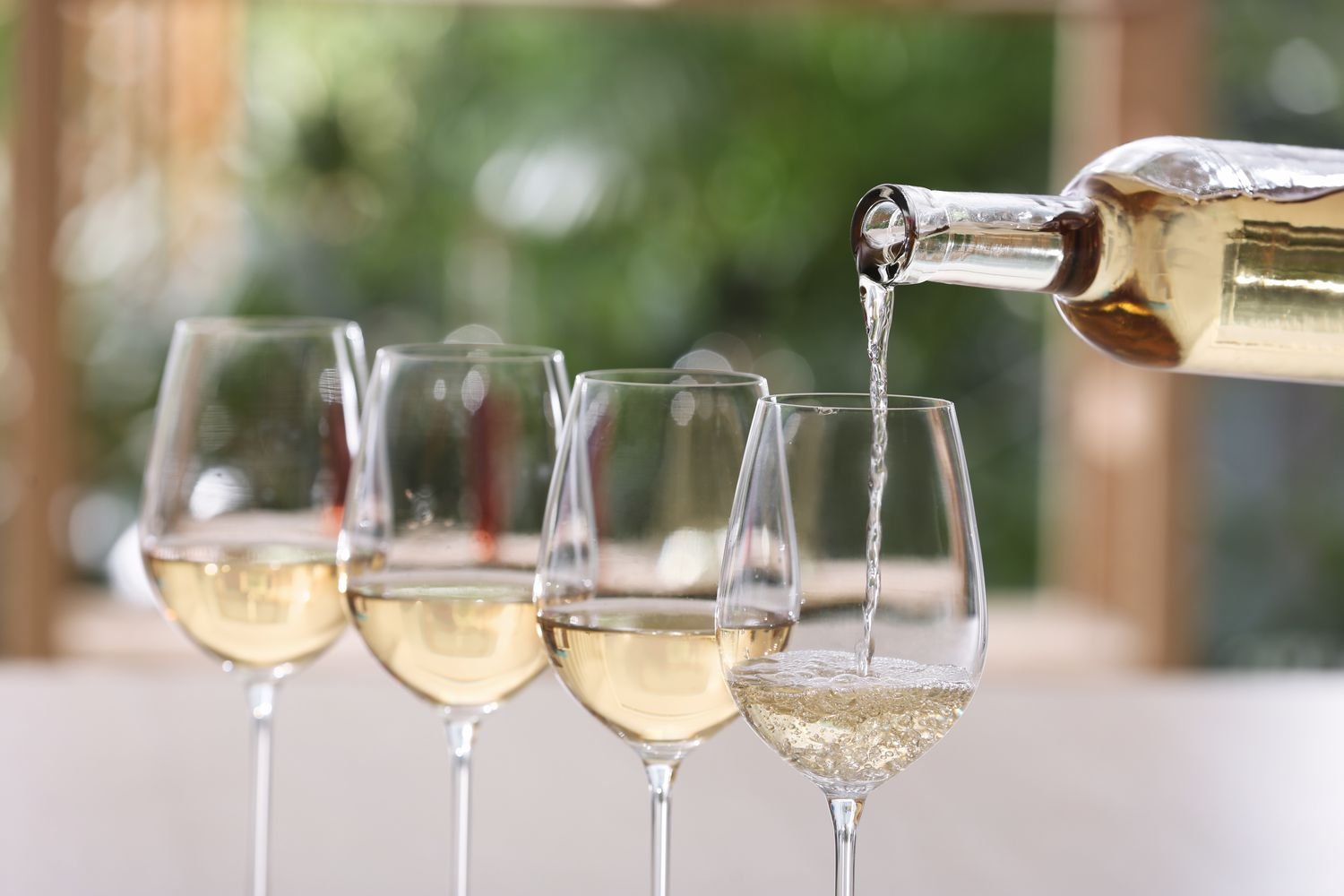
Understanding exactly how many glasses of wine in a bottle can be surprisingly tricky. While it may seem straightforward that a bottle should yield a set number of servings, the reality depends on several factors including pour size, wine type, and even the occasion. Whether you’re planning a dinner party, hosting a wine tasting, or just enjoying a quiet evening, knowing the correct wine bottle serving sizes ensures everyone gets the right amount without overpouring or running out too soon.
How Many Glasses of Wine in a Bottle
A standard bottle of wine holds 750ml, but how many glasses in a bottle of wine depends primarily on how much you pour per serving. The traditional measurement in many countries is 5 ounces (approximately 150ml) per glass, which usually translates to about five glasses per bottle. However, this can change depending on whether you prefer smaller or larger pours.
Standard Pour Sizes and Glass Counts
Understanding pour sizes is crucial:
- 5oz (150ml) pour → 5 glasses per bottle
- 6–6.5oz (180–200ml) pour → 4 glasses per bottle
- 4oz (120ml) pour → 6 glasses per bottle
Using different pour sizes impacts not only how many glasses you get but also the overall enjoyment and balance of a wine tasting or dinner service. A slightly smaller pour allows for more servings, while a generous pour may feel luxurious but reduces the total number of glasses.
Pour-Size Examples by Volume
It helps to break down wine bottle to glasses conversion with real numbers:
- 125ml glass → 6 glasses per bottle
- 150ml glass → 5 glasses per bottle
- 175ml glass → ~4 glasses per bottle
- 250ml glass → 3 glasses per bottle
By knowing these measurements, you can plan meals, tastings, or parties more accurately without guessing. If you’re hosting an event, keeping a measuring cup handy or using a pour guide ensures consistency and prevents overpouring.
Wine Bottle Sizes and Their Glass Counts
Not all wine bottles are the standard 750ml size. Different bottle formats yield different numbers of servings:
- Half bottle (375ml) → 2–3 glasses
- Standard bottle (750ml) → 5 glasses (with a 5oz pour)
- Magnum (1.5L) → ~10 glasses
- Double Magnum (3L) → ~20 glasses
Using a wine bottle size and glass count chart is helpful, especially for large events or wine tastings. It ensures that you buy the right quantity of wine without overspending or under-serving your guests.
Wine Type Specific Considerations
The type of wine you serve can also influence glass counts. Certain wines are traditionally poured differently due to their flavor profile or alcohol content.
Red Wine
- Typically served in larger glasses → slightly fewer glasses per bottle
- Standard pour: 5oz–6oz
- Full-bodied reds are often enjoyed in larger pours to enhance aroma
White Wine and Rosé
- Usually poured in slightly smaller glasses → more glasses per bottle
- Chilled serving may make larger pours feel less appropriate
- Standard pour: 5oz
Sparkling Wine and Champagne
- Champagne flutes hold less volume → 6–7 glasses per 750ml bottle
- Sparkling wines benefit from smaller pours to maintain effervescence
- Using flutes or tulip-shaped glasses enhances aroma and presentation
Dessert Wine and Port
- Served in smaller 3oz glasses → 8–10 servings per bottle
- Sweet, rich wines are more intense, so smaller pours are preferred
- Ideal for after-dinner servings or tastings
Wine Serving Tips for Parties and Gatherings
Planning how many glasses per wine bottle for guests ensures your event runs smoothly and everyone enjoys their share.
Calculating Bottles for Guests
A simple formula helps:
Number of guests × average glasses per guest ÷ glasses per bottle
Example: 10 guests × 2 glasses each ÷ 5 glasses per bottle = 4 bottles
Wine Bottle Serving Guide
- Consider pour size, event type, and wine variety
- Casual gatherings may allow slightly larger pours
- Formal events often use measured pours to maintain consistency
Pouring Etiquette and Glass Tips
- Fill glasses no more than one-third to allow swirling
- Proper pour enhances aroma and taste
- Leaving some space in the glass prevents spills and makes the experience more enjoyable
Understanding Wine and Standard Drinks
Knowing how many wine servings per bottle is not just about quantity but also health and moderation.
Standard Drink Measurements
- 5oz wine = 1 standard drink
- This measurement is useful for tracking consumption and maintaining moderate drinking habits
How Many Standard Drinks Are in a Bottle of Wine?
- A 750ml bottle contains approximately 5 standard drinks
- Half bottles, magnums, and larger formats scale accordingly
Pour-Size Calculators and Tools
Modern wine enthusiasts often use wine servings by pour size calculators to plan tastings and parties efficiently. These tools account for bottle size, pour size, and number of guests, making it easier to estimate how much wine to purchase without guessing.
- Online calculators can convert any bottle size to number of glasses
- Useful for private tastings or restaurant service planning
- Ensures consistent and fair pours for all guests
Related Context and Tips
Understanding standard wine serving vs glass size and wine glass capacity vs pour is essential for both casual and formal settings.
- How big is a glass of wine? Standard 5oz is common but varies by region
- Wine glass pour guidelines help maintain taste and presentation
- Small variations in pour can significantly change number of glasses in a bottle of wine
Quick Tips
- Use smaller pours for dessert wines
- Serve sparkling wines in flutes to maintain bubbles
- Adjust pours based on alcohol content and guest preferences
- Measure carefully when hosting large parties to avoid running out
Wine Bottle Size and Glass Count Chart
Understanding the number of glasses per bottle is essential, especially when planning events or wine tastings. Different bottle sizes yield different servings:
| Bottle Size | Volume | Typical Glass Count (5oz) |
| Half Bottle | 375ml | 2–3 glasses |
| Standard Bottle | 750ml | 5 glasses |
| Magnum | 1.5L | 10 glasses |
| Jeroboam | 3L | 20 glasses |
| Rehoboam | 4.5L | 30 glasses |
| Methuselah | 6L | 40 glasses |
This table helps you quickly estimate how many glasses in a bottle of wine for any occasion, whether it’s a dinner, casual party, or formal tasting. Larger format bottles, like magnums and Jeroboams, are ideal for celebrations because they provide more servings while keeping wine fresher for longer during the event.
Planning Wine for Parties and Gatherings
If you are hosting a gathering, knowing how many bottles of wine for 10 people or any number of guests is crucial. Overestimating can waste money, while underestimating may leave guests wanting more.
Estimating Bottles for Guests
Use this simple formula:
Guests × glasses per guest ÷ glasses per bottle = number of bottles needed
Example:
- 15 guests × 2 glasses each ÷ 5 glasses per bottle = 6 bottles
- For larger pours (6oz): 15 × 2 ÷ 4 = 7.5 → round up to 8 bottles
This ensures everyone gets a fair serving without pouring too much from a single bottle.
Consider Wine Types and Pour Sizes
- Red wine glasses are often larger → fewer glasses per bottle
- White wine and rosé are usually poured in smaller glasses → more servings
- Dessert wines and ports are typically served in smaller 3oz glasses → higher glass counts per bottle
- Champagne flutes hold less, so a 750ml bottle yields ~6–7 glasses
By planning based on both bottle size and wine type, you can estimate wine servings per bottle more accurately for parties.
Using Wine Serving Guidelines
Knowing wine pour per glass count isn’t just about quantity, it also helps with moderation and health awareness.
Standard Drinks and Health Considerations
- 5oz of wine = 1 standard drink
- A 750ml bottle = ~5 standard drinks
- Half bottles = ~2–3 standard drinks
- Magnum (1.5L) = ~10 standard drinks
Recommended Moderation
- Drinking a full bottle of wine a day is considered heavy drinking
- Moderate guidelines suggest:
- Women: up to 1 glass per day
- Men: up to 2 glasses per day
- Women: up to 1 glass per day
- Overconsumption can affect health, making it important to consider wine glass capacity vs pour
Practical Tips
- Use smaller pours for stronger wines or dessert wines
- Adjust serving size based on alcohol content and occasion
- For parties, consider providing non-alcoholic options alongside wine
Wine Glass Pour Guidelines
Pouring wine correctly not only affects the number of glasses in a bottle of wine but also enhances aroma, flavor, and overall experience.
Pouring Techniques
- Fill red wine glasses to 1/3 for optimal swirling
- Fill white wine glasses slightly less to maintain chill
- Sparkling wine flutes should never exceed 3/4 full to preserve bubbles
- Dessert wine glasses should be filled small (3oz) due to higher sweetness and alcohol
How Big is a Glass of Wine?
- Standard glass: 5oz (~150ml)
- Larger restaurant pours: 6–6.5oz (~180–200ml)
- Smaller home pours: 4oz (~120ml)
- Adjust your estimate of how many glasses of wine in a bottle based on pour size
Wine Servings by Pour Size Calculator
Online calculators can help you determine wine bottle to glasses conversion easily:
- Enter bottle size (375ml, 750ml, 1.5L, etc.)
- Choose pour size (4oz, 5oz, 6oz)
- Calculator outputs the approximate number of glasses
This is especially handy for large parties, wine tastings, or events where multiple bottle sizes are used. Knowing glasses per bottle with 5oz pour in advance ensures smooth service.
Understanding Serving Differences Between Wine Types
Different wines are traditionally served in varying amounts due to their characteristics:
- Red wines: fuller-bodied, poured in slightly larger glasses → 4–5 glasses per 750ml bottle
- White wines & rosé: lighter, smaller pours → 5–6 glasses per bottle
- Champagne & sparkling wines: served in flutes → 6–7 glasses per 750ml bottle
- Dessert wine & port: richer, sweeter → 8–10 smaller glasses per bottle
By adjusting wine glasses count by pour size for each type, you ensure an ideal experience while also accurately estimating how many servings in a bottle of wine.
Wine Glass Capacity and Pouring Considerations
Even with standard bottle sizes, the number of wine servings per bottle is influenced by the glass itself:
- Glass capacity: 12–20oz, but typical wine pours are 5–6oz
- Overfilling reduces the total number of servings
- Underfilling may feel insufficient for guests
- Aim to pour between 1/3–1/2 of the glass for optimal swirling and aroma
Tips for Accurate Home Pours
- Use a measuring cup or pour guide the first few times
- Note the volume per glass for future reference
- Adjust based on bottle size: 375ml bottles require smaller pours than magnums
Wine Planning Tools and Calculators
For those hosting multiple events or wine tastings, online wine servings by pour size calculators can simplify planning:
- Input bottle size and desired pour
- Receive precise glass count
- Adjust for different wine types, ensuring each guest receives an appropriate portion
- Reduces guesswork and prevents running out mid-event
By planning in advance using wine bottle to glasses conversion tools, you can ensure consistent service and a satisfying experience for all guests.
Key Takeaways for Pouring the Perfect Wine Serving
- Standard bottle: 750ml → ~5 glasses at 5oz per glass
- Adjust glass count based on pour size: smaller (4oz) = more glasses, larger (6oz) = fewer glasses
- Wine type affects serving size: reds in larger glasses, whites and rosés in smaller glasses, dessert wines in tiny glasses
- Large-format bottles maximize servings and maintain wine quality
- Accurate pours enhance aroma, flavor, and presentation
By combining knowledge of wine bottle serving sizes, glass counts, and pour guidelines, you can confidently plan any wine event, from casual dinners to large celebrations.
