


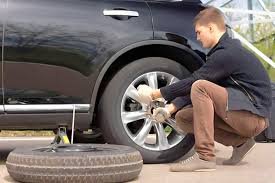
It usually happens at the worst possible time. You’re late, the weather isn’t great, traffic is flying past you, and suddenly your car doesn’t feel right. A warning light flashes, the steering feels heavy, or you hear that unmistakable flapping sound. You’ve got a flat tire.
In moments like this, panic is normal. Most drivers don’t change tires often, so being stranded with a flat tire can feel overwhelming. But the truth is, knowing how to change a tire is one of the most practical car maintenance basics you can learn. It’s not about strength or experience, it’s about following the right steps safely.
This guide walks you through how to change a tire without panicking on the side of the road, whether you’re dealing with a flat tire emergency, changing a tire yourself for the first time, or just want to be prepared before it ever happens.
How to Change a Tire
At its core, changing a tire is a controlled, step-by-step process. Once you understand the order and the safety rules, it becomes far less intimidating.
The basic idea is simple:
- Get yourself to a safe place
- Secure the vehicle
- Remove the flat tire
- Install the spare tire
- Get back on the road safely
Whether you’re searching for how to change a car tire, how to change a flat tire, or how to change a tire step by step, the fundamentals are the same across most vehicles.
Most roadside tire changes take 15 to 30 minutes, even for beginners, as long as you have the right tools and stay calm.
What to Do Immediately When You Get a Flat Tire
The moment you realize something is wrong, safety comes first.
If your tire blows out or rapidly loses air:
- Don’t slam the brakes
- Ease off the accelerator
- Keep a firm grip on the steering wheel
Slow down gradually and look for a safe place to pull over. Ideally, this means a flat, straight area away from traffic. Avoid curves, hills, soft shoulders, or narrow spaces where cars pass close by.
Once stopped:
- Turn on your hazard lights
- Apply the parking brake
- Stay aware of passing traffic
This initial response matters just as much as the tire change itself. Many injuries happen not during the repair, but because the vehicle wasn’t positioned safely.
Common searches like what to do if you get a flat tire, tire blew out what to do, and pulled over with flat tire all point to this same moment, getting safely off the road.
Tools You Need to Change a Tire
Before you touch the car, make sure you have everything you need. Most vehicles come equipped with basic tools, but many drivers don’t know where they’re stored.
Essential Tools to Change a Tire
- Spare tire (temporary donut or full-size spare)
- Tire jack
- Lug wrench (also called a tire iron)
Some vehicles also include:
- Wheel chocks
- Jack handle extensions
- Tire pressure information sticker
These tools are usually located:
- In the trunk
- Under the cargo floor
- Under the rear of trucks or SUVs
Knowing where these items are before an emergency can save time and stress.
Understanding Jack Points and Vehicle Stability
One of the most important, and often skipped, parts of changing a tire safely is proper jack placement.
Every car has designated jack points designed to support the vehicle’s weight. Lifting the car anywhere else can cause damage or make the vehicle unstable.
Check:
- The owner’s manual
- Diagrams near the spare tire
- Reinforced metal points behind the front wheels or in front of the rear wheels
Place the jack on solid, level ground. If the surface is soft, use a flat board or solid object to stabilize it.
To prevent the car from rolling:
- Engage the parking brake
- Place wheel chocks or heavy objects behind the opposite wheels
Searches like jack points on car and where to place jack exist because this step matters more than people realize.
Step-by-Step Tire Changing Process
This is where most people want clear, calm guidance. Follow these tire changing steps in order, and don’t rush.
Secure the Vehicle
Before lifting anything:
- Turn off the engine
- Set the parking brake
- Place wheel chocks if available
- Keep passengers away from the road
This step is essential for preventing movement while you work.
Loosen the Lug Nuts (Before Lifting)
This step surprises many beginners, but it’s critical.
Use the lug wrench or tire iron to loosen the wheel lug nuts before raising the car. Turn them counterclockwise. You don’t need to remove them completely—just break the resistance.
If the lug nuts are tight:
- Use your body weight carefully
- Push with your foot if needed
- Keep the wrench straight to avoid slipping
This answers a common question drivers ask: How do I loosen lug nuts on a tire?
Loosening them while the tire is still on the ground prevents the wheel from spinning.
Jack Up the Car
Position the tire jack at the correct jack point. Raise the car until the flat tire is just off the ground, no higher than necessary.
Watch for:
- Uneven lifting
- Shifting jack position
- Soft ground sinking
If anything looks unstable, lower the car and reposition the jack.
Remove the Flat Tire
Now fully remove the lug nuts and place them somewhere safe. Carefully pull the tire straight toward you and lay it flat on the ground so it doesn’t roll.
At this point, you’ve officially completed the “remove” part of change a flat tire, the part many people fear most, but it’s usually straightforward.
Mount the Spare Tire
Line up the spare tire with the wheel bolts and push it into place. Hand-tighten the lug nuts to hold it steady.
Make sure:
- The tire sits flush
- Lug nuts thread smoothly
- No bolts are cross-threaded
This step applies whether you’re using a full-size spare tire or a temporary spare.
Lower the Car and Tighten Lug Nuts
Lower the car until the tire touches the ground but the full weight isn’t resting on it yet. Tighten the lug nuts in a star pattern, which ensures even pressure.
Once fully lowered:
- Tighten the lug nuts firmly again
- Do not overtighten
Even tightening helps prevent wheel vibration and uneven wear.
How Long Does It Take to Change a Tire?
For most drivers:
- Beginners: 25–30 minutes
- Experienced drivers: 10–15 minutes
Time can vary depending on:
- Weather conditions
- Rusted lug nuts
- Traffic location
- Tool accessibility
If conditions feel unsafe, it’s okay to pause and call for help.
Donut Tire vs Full-Size Spare: What You Should Know
Not all spare tires are the same, and knowing the difference affects how you drive afterward.
Temporary (Donut) Spare Tires
- Lighter and smaller
- Designed for short distances
- Speed limits usually around 50 mph
Drivers often ask, Which side of a donut tire faces out?
The side with visible labeling or writing faces outward, just like a normal tire.
Full-Size Spare Tires
- Same size as regular tires
- Can be driven normally
- Heavier and take up more space
Understanding spare tire vs donut tire helps you make safer decisions once the tire is installed.
Can You Drive on a Flat Tire?
One question that comes up often is, can you drive on a flat tire? The short answer is: avoid it whenever possible. Driving on a flat can damage your wheel, suspension, and brakes. It can even make the tire irreparable.
In rare situations, like pulling over to a safer location, you may roll a short distance at very low speed. But ideally, once you realize a tire is flat, stop immediately and follow the steps above.
This is why searches like tire repair vs spare and fix a flat tire vs replace are common. Knowing when to drive carefully and when to stop prevents further damage and saves money.
Fix a Flat Tire vs Replace It
After changing a tire or installing a spare, you might wonder if the flat can be fixed.
When You Can Repair a Tire
- Puncture in the tread area only
- Small nail or screw damage
- Sidewall intact
When to Replace
- Large puncture or tear
- Sidewall damage
- Tread too worn
Temporary spare tires, or donuts, are not designed for long-term use. Most drivers are reminded of temporary spare tire rules, speed limits and maximum distance. A full-size spare is ideal if the flat cannot be repaired quickly.
Understanding when to replace a flat tire and tire repair vs spare helps drivers make informed decisions and maintain driving safety.
Changing a Tire on the Highway vs Side Street
Changing a tire on a quiet street feels safer, but sometimes flats happen on busy highways. Safety becomes critical.
- Always park as far off the road as possible
- Turn on hazard lights
- Use reflective triangles or cones if available
- Wear bright clothing
These steps are part of tire changing safety tips and roadside safety. Never rush, your priority is keeping yourself and others safe.
Vehicle-Specific Considerations
Not all cars are the same. Knowing your vehicle type makes the process easier.
SUVs and Trucks
- Heavier tires require more effort
- Jack may need higher lift
- More likely to have full-size spares
Sedans and Compact Cars
- Lighter tires, easier to lift
- Donut spares are common
- Limited trunk space may require careful tool placement
Searches like how to change a tire on an SUV, how to change a tire on a truck, and how to change a tire on a sedan reflect these subtle differences. Understanding them reduces stress and speeds up the process.
When Roadside Assistance Makes More Sense
Sometimes, despite knowing how to change a tire, the conditions aren’t safe. Bad weather, narrow shoulders, or heavy traffic can make calling for roadside assistance the smarter choice.
Comparing roadside assistance vs changing tire yourself helps drivers choose the safest option for their situation. Always prioritize safety over speed.
Tire Safety Rules Every Driver Should Know
Even after successfully changing a tire, your job isn’t done. Proper follow-up ensures vehicle safety.
- Check torque after driving a few miles
- Inspect tire pressure before long trips
- Understand the 3% rule for tires: replace tires when tread depth falls below recommended levels
Integrated FAQ: What is the 3% rule for tires?
- It refers to maintaining a minimum tread depth, ensuring adequate grip and safety.
Regular tire inspections and maintenance are essential components of car maintenance basics, emergency preparedness driving, and vehicle safety tips. Following these practices prevents future flat tire emergencies.
Beginner Confidence Boost: Yes, You Can Do This
Learning how to change a tire for beginners might seem daunting, but it’s mostly about understanding steps and staying calm.
Tips for confidence:
- Practice at home on a spare wheel, not on the road
- Familiarize yourself with your car’s jack points and tools
- Keep a small checklist in your glove compartment
Integrated FAQ: How do you change a tire step by step?
- Pull over safely
- Loosen lug nuts
- Jack up the car
- Remove the flat tire
- Mount the spare
- Lower the car
- Tighten lug nuts in a star pattern
Another common question: How to change a tire without roadside assistance?
- With proper tools, practice, and knowledge, you can handle nearly any flat independently.
Even the most nervous drivers can gain confidence by understanding tire changing steps, practicing with their own tools, and following safety guidelines.
Loosening Lug Nuts Effectively
One step drivers often struggle with is loosening lug nuts, especially if they’re tight or rusted.
Tips:
- Use your body weight to apply steady pressure
- Push or step gently on the lug wrench arm for leverage
- Turn counterclockwise
- Avoid sudden jerks that could damage your wrench or tire
FAQ integrated: How do I loosen lug nuts on a tire?
- The key is positioning, patience, and gradual force, no brute strength needed.
This step is critical for safety and smooth installation of the spare.
Safest Way to Change a Tire Alone
Sometimes, you’ll be alone on the side of the road. Here’s how to make it safe:
- Park on flat, level ground
- Use wheel chocks or blocks to stabilize the car
- Keep your hazard lights on
- Work slowly and stay aware of traffic
Long-tail search phrases like safest way to change a tire alone and how to change a tire safely on the side of the road are exactly what this advice addresses.
