


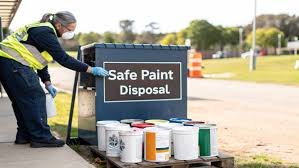
Dealing with leftover paint can be tricky. Whether you’re a homeowner finishing a DIY project or a professional contractor, knowing how to dispose of paint safely is crucial. Improper disposal can harm the environment, pollute water sources, and even violate local regulations. This guide will walk you through responsible methods for getting rid of old or unused paint.
Why Proper Paint Disposal Matters
Paint contains chemicals and solvents that can be hazardous. If poured down the drain or thrown in the trash, it can:
- Contaminate soil and water sources
- Harm wildlife
- Produce toxic fumes
- Violate environmental laws
Understanding how to dispose of paint responsibly ensures both safety and environmental protection.
Types of Paint and Their Disposal Methods
Different types of paint require different handling. Knowing your paint type is the first step in proper disposal.
1. Water-Based Paint (Latex Paint)
Water-based paint, commonly known as latex paint, is easier to dispose of safely. Here’s how:
- Dry it out: Remove the lid and let the paint dry naturally. Adding cat litter, sawdust, or a commercial paint hardener can speed up the drying process.
- Small amounts: Once fully dried, latex paint can be disposed of with your regular household trash.
- Recycling programs: Many local waste facilities accept latex paint for recycling. Check for paint recycling centers near you.
2. Oil-Based Paint
Oil-based paint is more toxic and flammable, requiring special handling:
- Hazardous waste facility: Take leftover oil-based paint to your local household hazardous waste (HHW) facility.
- Do not pour down drains: This type of paint can contaminate water systems and is illegal to dump in most areas.
- Consider reuse: If you have small amounts left, donate to community centers or use it for touch-up projects.
3. Spray Paint
Spray paints often contain aerosols and chemicals:
- Empty cans: Fully used spray cans can usually be recycled with metals, but confirm with your local recycling program.
- Partial cans: Treat as hazardous waste and take to an HHW facility. Never puncture or burn spray paint cans.
Step-by-Step Guide to Dispose of Paint Safely
Here’s a practical approach for homeowners:
- Assess the Paint: Determine whether it’s water-based or oil-based.
- Use It Up: Apply leftover paint on a new project or donate it to community groups.
- Dry Latex Paint: For small amounts, let it solidify with a hardener or absorbent material.
- Contain Oil-Based Paint: Keep it in a sealed, labeled container and transport to a hazardous waste facility.
- Check Local Guidelines: Disposal rules vary by city or state. Contact your local waste management department for specific instructions.
Creative Alternatives to Disposal
Sometimes, you don’t have to throw paint away. Consider these options:
- Donate or sell: Community centers, schools, or theater groups often need paint for projects.
- Share with neighbors: Local online groups or apps like Freecycle can help you give away leftover paint.
- Upcycling projects: Use old paint for arts, crafts, or DIY home décor projects.
Tips for Minimizing Paint Waste
Preventing waste is better than disposing of paint. Here are some practical tips:
- Buy only what you need for the project.
- Use a paint calculator to estimate the right amount.
- Store leftover paint properly in a cool, dry place for future touch-ups.
- Mix old leftover paint with new paint for small projects.
Environmental Impact of Improper Paint Disposal
Improperly discarded paint can have serious environmental consequences:
- Water pollution: Toxic chemicals can seep into rivers and lakes.
- Soil contamination: Hazardous solvents can kill plants and soil organisms.
- Air quality: Volatile organic compounds (VOCs) in oil-based paints contribute to air pollution.
By following safe disposal methods, you protect the environment and comply with legal requirements.
Where to Recycle or Dispose of Paint
Many communities offer safe paint disposal options:
- Household Hazardous Waste (HHW) Facilities: Accept oil-based paints, solvents, and aerosols.
- Local Recycling Centers: Some centers accept dried latex paint.
- Retail Take-Back Programs: Stores like Home Depot and Sherwin-Williams offer paint recycling and disposal programs.
Always call ahead to confirm what materials are accepted.
Key Takeaways on How to Dispose of Paint
- Know your paint type: water-based, oil-based, or spray.
- Dry out latex paint or take oil-based paint to a hazardous waste facility.
- Never pour paint down the drain or on the ground.
- Donate or recycle whenever possible.
- Proper storage can extend paint life and reduce future waste.
Using these tips, you can responsibly handle leftover paint and minimize its environmental impact. By following the right steps, you ensure safety for your family, community, and the planet.
