


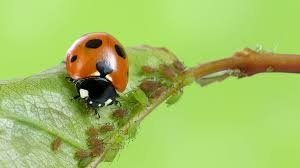
Ladybugs might look cute and harmless, but when it comes to food, they’re surprisingly fierce. If you’ve ever spotted one crawling across a leaf or found a few inside your home, it’s natural to wonder what do ladybugs eat, how they survive, and why gardeners love seeing them around.
The short answer is that ladybugs are natural pest hunters. The longer answer is much more interesting. Their diet changes depending on where they live, the season, and even their stage of life. From aphid control in gardens to survival indoors, understanding what ladybugs eat helps explain why they play such an important role in nature.
What Do Ladybugs Eat
Ladybugs are mostly carnivorous insects. Instead of feeding on plants or leaves, they rely on other insects for food. In nature, they’re drawn to areas where soft-bodied pests are abundant, which is why they’re often seen in gardens and farms.
In the wild, what do ladybugs eat in nature depends on availability, but their diet is fairly consistent.
Ladybugs eat:
- Aphids (their favorite food)
- Mites
- Scale insects
- Whiteflies
- Mealybugs
- Insect eggs
- Other soft-bodied insects
This diet is what allows ladybugs to survive and thrive outdoors. When people ask what do ladybugs eat to survive, the answer is simple: pests that damage plants.
Because of this, ladybugs are considered one of the most beneficial insects you can have around.
What Do Ladybugs Eat Most in the Wild
Aphids make up the bulk of a ladybug’s diet. These tiny insects feed on plant sap and multiply quickly, which makes them easy targets. A single ladybug can eat dozens of aphids in one day, and over its lifetime, it may consume thousands.
Besides aphids, what do ladybugs eat naturally also includes:
- Mites living on leaves
- Soft insect larvae
- Eggs of harmful garden pests
This natural feeding behavior explains what do ladybugs eat in the wild and why they tend to stick close to plants already under attack.
What Do Ladybugs Eat Besides Aphids
When aphids are scarce, ladybugs don’t starve right away. They switch to other food sources to stay alive.
Besides aphids, ladybugs may eat:
- Mites
- Scale insects
- Whiteflies
- Insect eggs
- Mealybugs
In some cases, they’ll also consume pollen or nectar. These aren’t ideal food sources, but they help explain what do ladybugs eat when no aphids are around. Think of pollen and nectar as survival snacks rather than a proper meal.
Ladybug Diet by Life Stage
A ladybug’s diet changes dramatically as it grows. Understanding the ladybug diet by life stage helps clear up confusion about how much they eat and when they’re most effective.
What Do Baby Ladybugs Eat
Baby ladybugs, also known as larvae, are eating machines. They may look nothing like the round red insects we recognize, but they’re even more aggressive feeders.
What do baby ladybugs eat? Mostly:
- Aphids
- Mites
- Insect eggs
- Small soft-bodied insects
Ladybug larvae often eat more pests than adult ladybugs. This stage is critical for growth, which is why what do ladybug larvae eat is a common question among gardeners trying to control aphid infestations.
What Do Adult Ladybugs Eat
Once they reach adulthood, their diet remains similar but becomes more balanced.
What do adult ladybugs eat?
- Aphids
- Whiteflies
- Scale insects
- Mealybugs
- Occasional pollen or nectar
Adult ladybug feeding habits are less frantic than larvae, but they’re still highly effective pest controllers.
What Do Ladybugs Eat in Gardens
Gardens are basically ladybug buffets. With plenty of pests to hunt, ladybugs settle in and help keep plant damage under control.
Ladybugs as Natural Pest Control
Ladybugs are famous for aphid control, and for good reason. A single ladybug can eat:
- 40–50 aphids per day
- Hundreds of pests over a short period
This makes ladybugs natural pest control champions. When people talk about ladybugs aphid control, they’re referring to this exact behavior.
In gardens, insects ladybugs eat include:
- Aphids on vegetables
- Mites on flowers
- Whiteflies on fruit plants
This is why ladybugs are often listed among the most beneficial insects for home gardens.
Do Ladybugs Eat Plants or Leaves
One of the most common myths is that ladybugs damage plants. In reality, they almost never do.
Do Ladybugs Eat Leaves, Flowers, or Vegetables
Ladybugs do not eat leaves in any meaningful way. If you see leaf damage, another insect is responsible.
- Do ladybugs eat plants? No
- Do ladybugs eat leaves? Almost never
- Do ladybugs eat flowers? No
- Do ladybugs eat vegetables or fruit? No
They may nibble pollen or nectar, which leads to confusion, but this doesn’t harm the plant. Their presence usually means your garden is healthier, not at risk.
What Do Ladybugs Eat Indoors or at Home
Finding ladybugs inside your house can be confusing. Indoors, food sources are extremely limited.
What Do Ladybugs Eat Indoors
Inside a home, there are usually no aphids or garden pests. This means what do ladybugs eat indoors is often “nothing at all.”
Ladybugs indoors may:
- Survive briefly without food
- Search for moisture
- Enter a dormant state, especially in colder months
This explains why people ask what do ladybugs eat in a house and why they often don’t last long indoors.
What Do Ladybugs Eat in Captivity
If someone keeps ladybugs temporarily, feeding becomes important.
What do ladybugs eat in captivity?
- Live aphids (best option)
- Honey mixed with water (emergency food)
- Small bits of raisin or fruit (very limited use)
Knowing what to feed ladybugs and how to feed ladybugs at home can help them survive short periods indoors, but releasing them outdoors is usually best.
Do Ladybugs Drink Water
Ladybugs don’t drink water the way mammals do, but they still need moisture.
How Do Ladybugs Get Water
Ladybugs get hydration from:
- Dew on leaves
- Rain droplets
- Moist food sources like aphids
So yes, do ladybugs drink water? In a way, yes. Proper ladybugs hydration is essential, especially in dry environments.
How Much Do Ladybugs Eat Per Day
People often ask what do ladybugs eat daily and how much food they actually need.
On average:
- Adult ladybugs eat 20–50 aphids per day
- Larvae can eat even more
- Feeding increases during warm months
This explains how much do ladybugs eat per day and why they’re so effective at pest control.
What Do Ladybugs Eat in Different Seasons
Ladybug diets change throughout the year based on temperature and food availability.
What Do Ladybugs Eat in Spring and Summer
During warmer months:
- Aphids are abundant
- Ladybugs eat actively
- Reproduction increases
This is peak season for what do ladybugs eat in spring and what do ladybugs eat in summer.
What Do Ladybugs Eat in Fall and Winter
As temperatures drop:
- Food becomes scarce
- Ladybugs slow down
- Many enter dormancy
This answers what do ladybugs eat in fall and what do ladybugs eat in winter — often very little, relying on stored energy.
What Attracts Ladybugs and Keeps Them Alive
Ladybugs are drawn to environments where food is plentiful.
What attracts them:
- Aphid-infested plants
- Native flowers
- Chemical-free gardens
This ties directly into what attracts ladybugs, what keeps ladybugs alive, and why ladybugs are good for gardens.
What Can You Feed a Ladybug
If you must feed one temporarily:
- Aphids are best
- Honey-water can help short term
- Avoid dry or processed foods
How Long Can Ladybugs Live Without Food
Ladybugs can survive several days without food, and longer during dormancy. Still, access to prey is key to long-term survival.
During colder periods, ladybugs rely heavily on their stored body fat. This ability allows them to survive without eating for longer stretches, especially when they gather in sheltered places. This survival strategy is closely tied to seasonal changes in food availability and explains why ladybugs often appear inactive during winter months.
What Do Ladybugs Eat and Drink
Food and water go hand in hand when it comes to ladybug survival. While most people focus on what they eat, hydration is just as important.
Ladybugs don’t actively seek out standing water. Instead, what do ladybugs eat and drink is usually determined by their environment. In nature, they get moisture from:
- Dew on leaves
- Rain droplets
- Juicy prey like aphids
- Nectar and pollen in limited amounts
This natural method of hydration keeps them alive without needing a direct water source, which is why shallow water dishes are unnecessary in most outdoor settings.
What Do Ladybugs Eat at Home
When ladybugs enter homes, garages, or apartments, food becomes scarce almost immediately. Indoor environments simply don’t provide the insects ladybugs eat in gardens.
What do ladybugs eat at home?
- Very little, if anything
- Occasional moisture from condensation
- Rare household insects, though this is uncommon
This is why ladybugs found indoors are often sluggish. They’re not feeding regularly and are usually trying to escape or find a place to rest. If they’re kept indoors too long, lack of food becomes a serious issue.
What Do Ladybugs Eat Indoors vs Outdoors
The difference between indoor and outdoor feeding is dramatic.
Outdoors:
- Aphids and mites are plentiful
- Ladybugs actively hunt
- Diet is protein-rich and sustainable
Indoors:
- No aphids or soft-bodied insects
- Limited hydration
- Short-term survival only
This contrast explains what do ladybugs eat indoors compared to their natural outdoor diet and why releasing them back outside is often the healthiest option.
Do Ladybugs Eat Fruit, Vegetables, or Human Food
Another common question is whether ladybugs can eat what humans eat.
Do ladybugs eat fruit or vegetables?
Not in a meaningful way. While they may taste small bits of fruit for moisture, fruit is not a food source.
Do ladybugs eat human food?
No. Bread, grains, processed foods, and leftovers provide no nutritional value.
This reinforces the idea that ladybugs are predators, not scavengers, and depend on living prey rather than plant matter or human scraps.
Ladybug Eating Habits and the Food Chain
Ladybugs sit in an important spot in the ecosystem. Their feeding habits help balance insect populations naturally.
The ladybug food chain looks like this:
- Plants attract aphids and pests
- Ladybugs feed on those pests
- Birds and larger insects feed on ladybugs
These ladybug eating habits help protect crops and gardens while supporting biodiversity. Without them, pest populations would grow unchecked.
What Keeps Ladybugs Alive in the Wild
Survival depends on more than just food.
Key factors that keep ladybugs alive:
- Consistent access to aphids and small insects
- Moisture from dew and rain
- Shelter from extreme temperatures
- Safe environments free from pesticides
This directly connects to what keeps ladybugs alive and why they flourish in organic gardens and natural landscapes.
Why Ladybugs Are Good for Gardens
Gardeners value ladybugs for one main reason: they work nonstop without harming plants.
Ladybugs help by:
- Reducing aphid populations naturally
- Protecting vegetables and flowers
- Lowering the need for chemical pesticides
- Supporting healthier soil ecosystems
This is exactly why ladybugs are good for gardens and why many people actively try to attract them.
What Do Ladybugs Eat When No Aphids Are Around
Aphids aren’t always available, especially during colder months or after pest populations decline.
When aphids disappear, what do ladybugs eat when no aphids are around includes:
- Mites and scale insects
- Insect eggs
- Small larvae
- Pollen and nectar as temporary substitutes
These alternatives don’t support long-term survival, but they help bridge the gap until better food sources return.
How Long Can Ladybugs Live Without Food
Ladybugs are surprisingly resilient.
Under normal conditions:
- They can survive several days without food
- In cooler temperatures, survival can extend longer
- During dormancy, they rely on stored energy
This explains how long can ladybugs live without food and why they can endure seasonal shortages.
What Do the Ladybugs Eat Throughout Their Lifetime
From birth to adulthood, the answer to what do the ladybugs eat evolves.
- Larvae consume large numbers of aphids and insect eggs
- Adults continue eating pests but slow down slightly
- Seasonal changes influence feeding frequency
Across every stage, their role remains the same: natural pest control.
Ladybug Diet Facts That Surprise Most People
Some lesser-known facts about ladybug diets include:
- Larvae often eat more pests than adults
- A single ladybug can eat thousands of aphids in its lifetime
- They rarely damage plants
- Pollen and nectar are emergency foods, not staples
These ladybug diet facts help explain why ladybugs are valued in both gardens and agriculture.
What Attracts Ladybugs to Stay in One Place
Ladybugs don’t settle randomly. They stay where food is reliable.
They’re attracted to:
- Aphid-infested plants
- Native flowering plants
- Chemical-free environments
- Access to moisture
Understanding what attracts ladybugs makes it easier to encourage them to stick around naturally.
How Ladybugs Choose Where to Feed
Ladybugs use scent and visual cues to find food. They’re drawn to plants already under stress from aphids or mites. Once a food source is located, they tend to remain nearby until it’s depleted.
This behavior explains why ladybugs are often seen clustering in certain areas of a garden rather than spreading evenly.
