


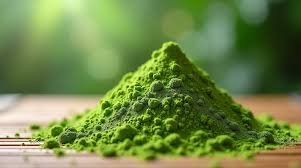
Matcha has gained immense popularity as a vibrant green superfood, celebrated for its unique flavor, energy-boosting properties, and health benefits. But what exactly is inside matcha that makes it so special? Unlike regular green tea, matcha involves consuming the entire tea leaf in powdered form, concentrating its nutrients and bioactive compounds. Understanding its composition explains why matcha is revered in Japanese tea culture and embraced by health enthusiasts worldwide.
What Is Inside Matcha
Core Matcha Composition & Ingredients
The primary ingredient in matcha is ground green tea leaves, specifically tencha leaves that have been carefully shade-grown. The process of growing, harvesting, and stone-grinding these leaves produces a fine powder with a concentrated nutritional profile. Key components include:
- Catechins and antioxidants – These polyphenols, especially EGCG content matcha, neutralize free radicals and support cellular health.
- L-theanine in matcha – An amino acid that promotes relaxation while enhancing focus, creating the calm energy effect unique to matcha.
- Caffeine in matcha – Provides alertness without the jitters commonly associated with coffee.
- Chlorophyll in matcha – Responsible for the vibrant green color and potential detox benefits.
- Amino acids – Contribute to flavor (umami) and overall nutrient content.
- Vitamins – Including vitamin C, A, E, and K, supporting immune function, eye health, and antioxidative protection.
- Minerals – Potassium, magnesium, calcium, and iron, crucial for bodily functions.
- Fiber and protein in matcha powder – Derived from consuming the whole leaf, aiding digestion and satiety.
This combination of nutrients makes matcha more potent than standard brewed green tea, with a nutritional density that supports both energy and wellness.
Nutrients & Health Benefits
Antioxidants and Metabolic Support
The high concentration of polyphenols in matcha, particularly catechins, makes it a powerhouse antioxidant. These compounds may help protect cells, support detoxification, and promote cardiovascular health. Matcha also offers metabolism boost and can assist with weight loss effects when combined with a healthy lifestyle.
Focus, Energy, and Cognitive Support
Thanks to L-theanine in matcha working alongside caffeine in matcha, matcha delivers a sustained, calm energy. Unlike coffee, matcha provides focus and energy without spikes and crashes. This synergy may enhance mental clarity, concentration, and mood.
Immune and Overall Health Benefits
Matcha’s vitamin and mineral content contribute to immune support. Vitamin C content, along with A, E, and K, helps regulate immune function, protect cells, and maintain bone and cardiovascular health. Minerals like potassium and magnesium in matcha further support overall wellness.
Matcha Processing & Quality
Shade-Grown Tencha Leaves
High-quality matcha starts with shade-grown tea leaves, which increases chlorophyll in matcha, amino acids, and flavonoids. The shading process produces the vibrant green color and enhances flavor, giving matcha its characteristic sweet, umami taste.
Stone-Ground Powder
The traditional stone-ground matcha technique preserves delicate nutrients and produces a fine powder texture. This careful method maintains the bright green matcha color and ensures maximum bioavailability of compounds like catechins and L-theanine.
Ceremonial vs Culinary Matcha
- Ceremonial grade nutrients are the highest, ideal for traditional tea preparation.
- Culinary grade composition is slightly lower in concentration but perfect for baking and lattes.
Taste & Sensory Experience
Understanding what matcha tastes like is key to appreciating its unique profile. Matcha offers a complex flavor experience, combining umami, slight bitterness, and natural sweetness. The matcha umami flavor comes from its rich amino acid content, particularly L-theanine, which balances out the natural tannins and chlorophyll-derived bitterness.
- Matcha bitterness varies depending on the grade; ceremonial grade is smoother, while culinary grade can be more robust.
- Matcha aroma compounds contribute to its fresh, vegetal scent that enhances the sensory experience.
- The subtle matcha chlorophyll taste reinforces its vibrant, grassy character, while matcha tannins add a delicate depth to the flavor.
This intricate taste makes matcha versatile, enjoyable as a traditional tea, or incorporated into modern culinary uses like lattes and desserts.
Matcha Usage & Pairings
Matcha isn’t just a tea; it’s a culinary ingredient. Knowing how to prepare matcha tea and its versatile applications can enhance both flavor and nutrient absorption.
Traditional Preparation
- Whisk ceremonial matcha powder with hot water until frothy.
- Enjoy as a simple tea or paired with light Japanese sweets.
Modern Uses
- Matcha latte ingredients: Combine matcha powder with milk or plant-based alternatives for a creamy beverage.
- Matcha smoothies: Blend with fruits, yogurt, or protein powder for a nutritious boost.
- Matcha in baking: Use culinary grade matcha in cakes, cookies, or pancakes.
- Matcha recipes and uses: From energy balls to ice cream, its vibrant color and flavor enhance any recipe.
- Matcha culinary ingredients: Perfect for sauces, salad dressings, and even savory dishes.
The versatility of matcha makes it an ingredient that can seamlessly blend into everyday meals while maintaining its nutritional benefits.
Comparisons & Related Tea Insights
When exploring matcha vs green tea contents, it’s clear that matcha offers a denser nutrient profile. Drinking powdered matcha means consuming the entire leaf, unlike brewed green tea, which extracts only a fraction of nutrients.
- Powdered green tea vs matcha: Matcha contains higher levels of catechins, amino acids, and antioxidants.
- Matcha nutritional differences highlight its concentrated EGCG content matcha and vitamin-rich profile.
- Japanese matcha tea composition reflects meticulous cultivation and processing, ensuring high quality and consistent flavor.
- Matcha tea vs brewed tea benefits: Matcha provides more sustained energy, antioxidant support, and cognitive benefits due to the full-leaf consumption.
Quality & Grading of Matcha
Understanding matcha grade differences helps you choose the right powder for your needs:
- Ceremonial grade nutrients: Highest quality, ideal for traditional tea drinking. Rich in amino acids, bright green, and smooth in flavor.
- Culinary grade composition: Slightly less concentrated, designed for lattes, smoothies, and baked goods.
- Premium matcha nutrients: Superior cultivation methods, shade-grown leaves, and stone-ground powder ensure maximum bioactive compounds.
- Matcha origin and quality: Japanese matcha from regions like Uji or Nishio is globally recognized for its superior quality, vibrant color, and nutrient density.
